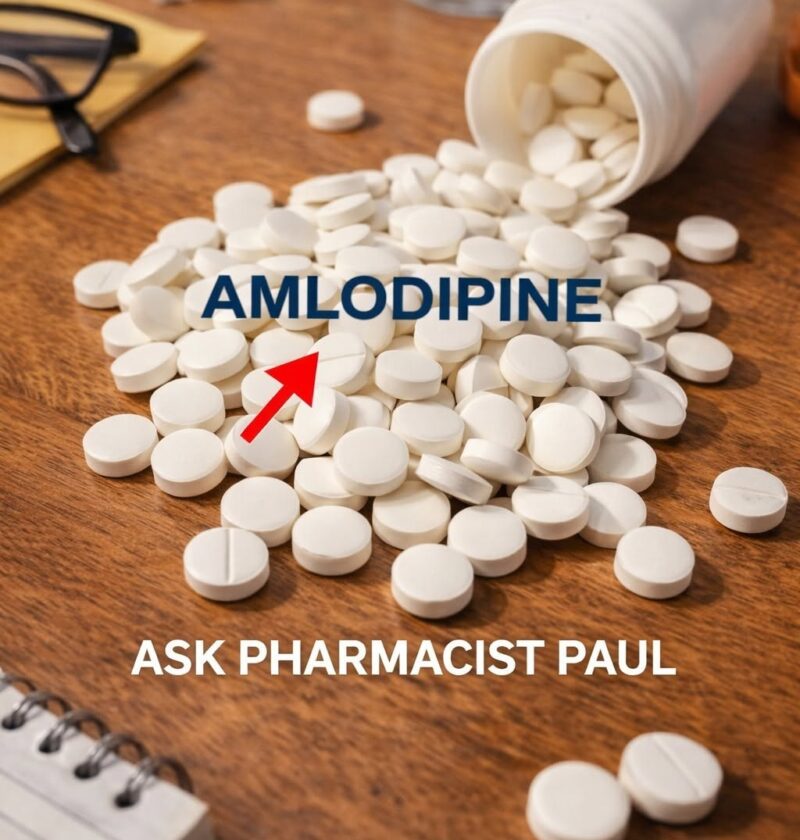
If you’re taking Amlodipine, the goal is to keep your blood pressure stable and avoid things that either raise blood pressure again or interfere with the medication’s effect or side effects.
Here are 8 habits worth stopping or reducing—and why:
1. Skipping doses or “on-and-off” use
Amlodipine works best when taken consistently. Missing doses can cause blood pressure to rise again and reduce protection for the heart and brain.
2. Excess salt (high-sodium diet)
Too much salt causes fluid retention and raises blood pressure, working directly against the medication’s purpose.
3. Heavy alcohol use
Alcohol can:
- Raise blood pressure long-term
- Increase dizziness or flushing (a common amlodipine side effect)
- Stress the heart
4. Smoking
Smoking narrows blood vessels and damages artery walls, increasing the risk of heart disease even if you’re on medication.
5. Sedentary lifestyle
Lack of movement weakens circulation and makes blood pressure harder to control. Regular walking improves medication effectiveness indirectly.
6. Overusing NSAID painkillers
Frequent use of medicines like ibuprofen or diclofenac can:
- Raise blood pressure
- Reduce kidney function
- Make BP harder to control
7. High caffeine intake (in sensitive people)
Large amounts of caffeine may temporarily raise blood pressure and worsen palpitations or dizziness in some users.
8. Ignoring swelling or dizziness
Amlodipine can cause ankle swelling and lightheadedness. Ignoring worsening symptoms may delay needed dose adjustment or medical review.
Important safety note
Amlodipine is generally well tolerated, but it should always be managed as part of overall treatment for hypertension or angina, not just as a standalone fix.
Bottom line