Part 1: Early Warning Clues of Liver Stress You Should Never Ignore (In-Depth Health Guide)
Introduction: Why Your Liver Deserves More Attention Than You Think
Your liver is one of the most hardworking organs in the human body. It functions like a natural filtration and processing center, handling more than 500 vital tasks every single day. From breaking down toxins and supporting digestion to regulating hormones, cholesterol, and blood sugar levels, the liver quietly keeps your body balanced and functioning.
What makes liver problems especially dangerous is that they often develop slowly and silently. Unlike other conditions that produce immediate pain or obvious symptoms, liver dysfunction can progress for years without clear warning signs. By the time symptoms become noticeable, the liver may already be under significant stress.
In modern health discussions, terms like “liver detox,” “fatty liver symptoms,” “liver damage warning signs,” and “natural liver support” are trending because more people are becoming aware of lifestyle-related liver issues. Poor diet, excessive sugar intake, alcohol consumption, obesity, sedentary habits, and certain medications can all contribute to liver strain.
This article explores 15 subtle but important signs that your liver may be in trouble, helping you understand what your body might be trying to tell you before the condition becomes serious.
1. Constant Fatigue That Doesn’t Improve With Rest
One of the earliest and most commonly ignored signs of liver stress is persistent fatigue. This is not ordinary tiredness—it is a deep, ongoing exhaustion that does not improve even after sleep.
When the liver is not functioning efficiently, toxins can build up in the bloodstream. This forces the body to work harder just to maintain balance, leading to chronic fatigue.
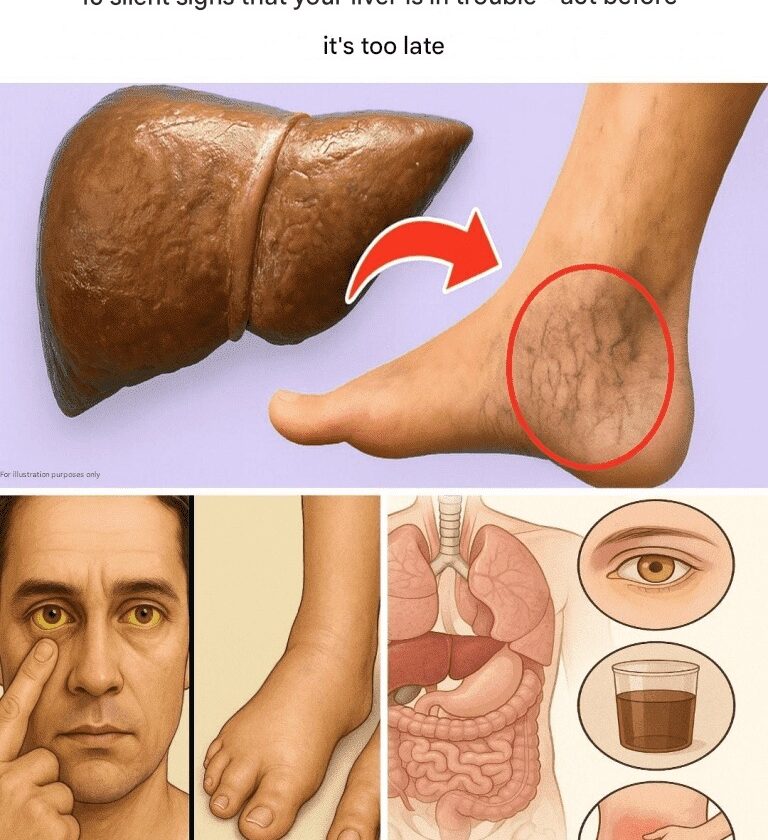
2. Yellowing of Skin or Eyes (Jaundice Warning Sign)
A noticeable yellow tint in the skin or the whites of the eyes can indicate a buildup of bilirubin, a yellow pigment processed by the liver.
When the liver struggles to filter bilirubin properly, it begins to accumulate in the body. This condition, known as jaundice, is one of the most important visible indicators of liver dysfunction and should never be ignored.
3. Abdominal Swelling or Bloating
Frequent bloating, especially in the upper right side of the abdomen, may signal liver inflammation or fluid retention.
This may happen due to impaired liver function affecting digestion and fluid balance. In more advanced cases, fluid accumulation in the abdomen (ascites) can occur.
4. Unexplained Weight Changes
Sudden weight gain or loss without changes in diet or exercise can be linked to liver health issues.
A sluggish liver may affect metabolism and fat processing, leading to unexpected weight fluctuations. In some cases, poor nutrient absorption may also cause weight loss.
5. Dark Urine Color
Urine that appears darker than usual—even when you are well hydrated—may indicate that the liver is not properly processing waste products.
Excess bilirubin and toxins may be eliminated through urine, causing a darker amber or brownish color.
6. Pale or Clay-Colored Stool
Changes in stool color can also reflect liver or bile duct issues. Light-colored or grayish stool may indicate reduced bile production or blockage in bile flow, both of which are linked to liver function.
7. Frequent Nausea or Loss of Appetite
A reduced desire to eat, or frequent feelings of nausea, can occur when liver function is compromised.
Because the liver plays a role in digestion and toxin breakdown, any dysfunction may disrupt the digestive process and affect hunger signals.
8. Itchy Skin Without Rash
Persistent itching without any visible skin condition can sometimes be related to bile salt buildup under the skin due to liver dysfunction.
This symptom is often overlooked because it appears unrelated to internal organ health.
9. Swelling in Legs and Ankles
Fluid retention in the lower limbs can occur when the liver is not efficiently producing proteins that help regulate blood flow and fluid balance.
This swelling may worsen throughout the day and is often more noticeable in the evening.
10. Easy Bruising or Bleeding
If you notice that you bruise easily or experience prolonged bleeding from small cuts, it may indicate reduced production of clotting proteins by the liver.
This is a serious sign that liver function may be impaired.
11. Persistent Bad Breath
A strong, unpleasant breath odor that does not improve with oral hygiene can sometimes be linked to liver issues.
When toxins are not properly filtered, they may circulate in the blood and affect breath odor.
12. Loss of Muscle Strength
Muscle weakness or gradual loss of strength may be connected to poor protein metabolism caused by liver dysfunction.
Since the liver helps process nutrients essential for muscle maintenance, its impairment can affect overall muscle health.
13. Hormonal Imbalance Symptoms
The liver plays a major role in regulating hormones. When it is not functioning well, symptoms such as irregular menstrual cycles, mood swings, acne flare-ups, or reduced libido may appear.
14. Frequent Headaches or Brain Fog
When toxins accumulate in the bloodstream due to reduced liver efficiency, they may affect brain function.
This can lead to difficulty concentrating, memory issues, and frequent headaches commonly referred to as “brain fog.”
15. Visible Spider-Like Blood Vessels on Skin
Small, spider-shaped blood vessels appearing on the skin (often on the face, chest, or arms) may indicate hormonal imbalance linked to liver dysfunction.
These are known as “spider angiomas” and are sometimes associated with chronic liver stress.
Why Early Detection Matters for Liver Health
The liver is resilient and can recover significantly if damage is caught early and lifestyle changes are made. However, ignoring early warning signs can allow conditions like fatty liver disease, hepatitis, or cirrhosis to progress silently.
Modern medical research highlights the importance of early lifestyle intervention, including:
- Reducing processed food intake
- Avoiding excessive alcohol consumption
- Maintaining healthy body weight
- Staying physically active
- Staying hydrated
- Regular medical checkups
Medical Disclaimer
This article is for educational and informational purposes only and does not replace professional medical advice. If you notice persistent symptoms, consult a qualified healthcare provider.
Sources (Trusted Medical References)
- Mayo Clinic – Liver disease symptoms and causes
https://www.mayoclinic.org - NHS (UK) – Liver disease overview and warning signs
https://www.nhs.uk - World Health Organization (WHO) – Liver health and metabolic disease information
https://www.who.int
Part 2: Quick Liver Health Awareness Checklist (Simple Version)
15 Quick Warning Signs Summary
If your liver is under stress, you may notice:
- Constant tiredness
- Yellow skin or eyes
- Swollen stomach or bloating
- Sudden weight changes
- Dark urine
- Pale stool
- Loss of appetite or nausea
- Itchy skin
- Swollen legs or ankles
- Easy bruising
- Bad breath
- Weak muscles
- Hormonal changes
- Headaches or brain fog
- Spider-like veins on skin
Simple Advice for Better Liver Support
- Eat fresh, natural foods
- Reduce sugar and fried foods
- Drink enough water daily
- Avoid alcohol or limit it strictly
- Exercise regularly
- Get routine health checkups