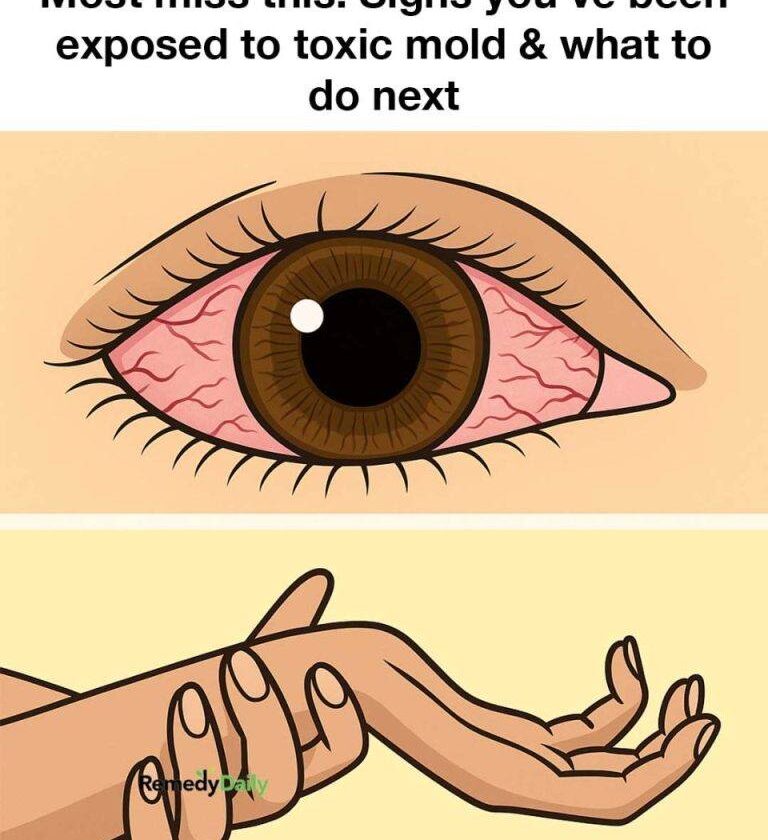
“Toxic mold exposure” is one of those topics that gets overhyped online—but real mold exposure can affect some people, especially in damp or poorly ventilated buildings. The key is separating common, mild irritation from less common but more serious reactions.
Common signs people report from mold exposure
These symptoms are often vague, which is why many people miss the connection:
1) Respiratory issues
- Ongoing cough (especially at home)
- Wheezing or shortness of breath
- Stuffy or runny nose that doesn’t behave like a normal cold
- Sinus pressure or frequent sinus infections
2) Allergy-like reactions
- Sneezing fits in specific environments
- Itchy eyes, nose, or throat
- Skin irritation or rashes (in sensitive individuals)
3) “Brain fog” and fatigue
- Unexplained tiredness
- Difficulty concentrating
- Headaches that improve when leaving the building
4) Worsening of existing conditions
- Asthma flare-ups
- More frequent allergies
- Chronic sinus issues getting worse indoors
5) Pattern clue most people miss
The biggest red flag is symptoms that improve when you leave home/work and return when you come back.
Important reality check
There is no strong medical consensus around “toxic mold syndrome” as a single disease. However, mold allergies, irritation, and damp indoor environments are well-established triggers for respiratory and immune symptoms.
Certain molds can also produce mycotoxins, but for most everyday home exposures, the main issue is still allergy + irritation, not poisoning.
What to do next (practical steps)
1) Check for moisture problems first
Look for:
- Leaks (roof, pipes, bathroom)
- Damp walls or ceilings
- Musty smell
- Visible black/green patches
If moisture is present, mold is usually present too.
2) Improve immediate air quality
- Ventilate rooms daily (open windows when possible)
- Use a HEPA air purifier
- Reduce indoor humidity (ideal: below ~50%)
- Fix leaks quickly (this is the real “treatment”)
3) Clean safely (small areas only)
- Small patches can be cleaned with proper protection (gloves, mask)
- Porous materials (soaked drywall, carpets) often need replacement
- Avoid dry scrubbing (spreads spores into air)
4) Health support
- If symptoms are mild: antihistamines may help allergy-type reactions
- If asthma is involved: follow your prescribed inhalers plan
- If symptoms are persistent: see a clinician for evaluation of allergies or respiratory issues
5) When to seek medical attention
- Ongoing breathing difficulty
- Persistent cough >2–3 weeks
- Frequent sinus infections
- Asthma worsening indoors
- Severe fatigue or unexplained symptoms affecting daily life
When to suspect it’s NOT mold
It may be something else if:
- Symptoms occur everywhere equally (not just one building)
- There’s no dampness or moisture history
- Symptoms match stress, sleep issues, or viral illness patterns
If you want, describe your specific symptoms and living environment (e.g., room dampness, smell, timing), and I can help you narrow down whether mold is likely or if something else fits better.