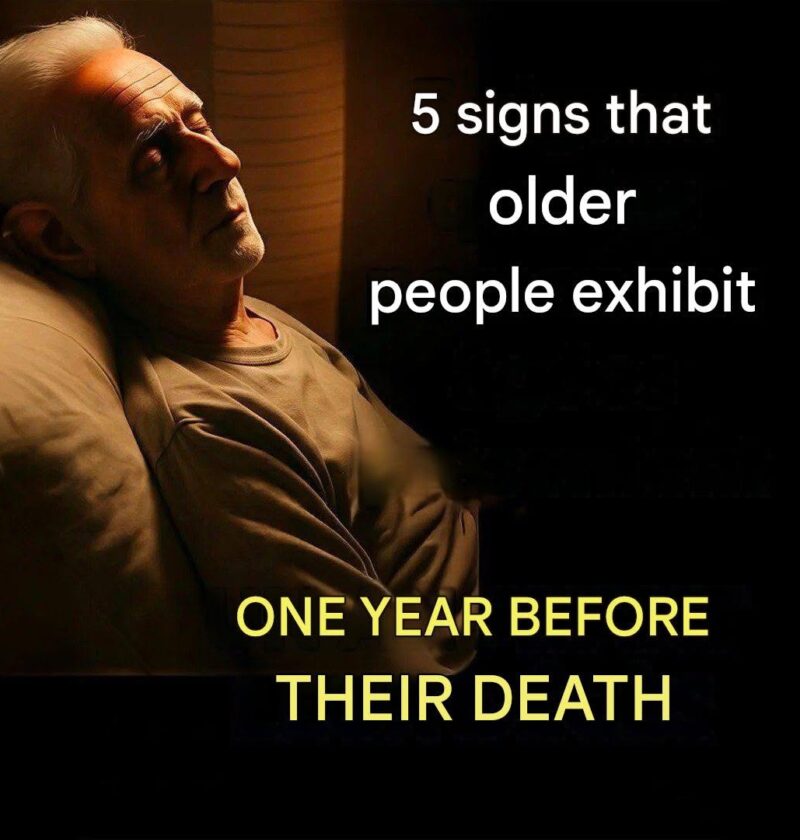
A headline like “5 signs that an elderly person needs more care and attention” points to a real issue, but it’s important not to assume these signs always mean a serious problem. They are reasons to check in and, if needed, arrange a medical evaluation.
Some common signs include:
- Difficulty with everyday tasks
- Trouble bathing, dressing, preparing meals, taking medications, or managing finances.
- Frequent falls or balance problems
- Falls, near-falls, or increasing unsteadiness can increase the risk of injury.
- Changes in memory or thinking
- New confusion, getting lost in familiar places, forgetting important appointments, or difficulty making decisions.
- Poor nutrition or hygiene
- Noticeable weight loss, spoiled food in the home, dehydration, wearing dirty clothes, or neglecting personal care.
- Social withdrawal or mood changes
- Loss of interest in activities, isolation, persistent sadness, anxiety, or unusual irritability.
These signs don’t necessarily mean a person can no longer live independently. They may be caused by treatable issues such as medication side effects, depression, infection, vision or hearing problems, or an underlying medical condition.
If these changes appear suddenly, especially confusion, weakness on one side, difficulty speaking, severe drowsiness, or chest pain, seek urgent medical attention, as they could signal a medical emergency.
Early conversations with the older adult, their family, and their healthcare team can help identify what support—if any—is needed to maintain safety and independence.