6 Important Vitamins and Nutrients for Heart and Artery Health – What Science Actually Says
Can Vitamins “Unblock” Arteries?
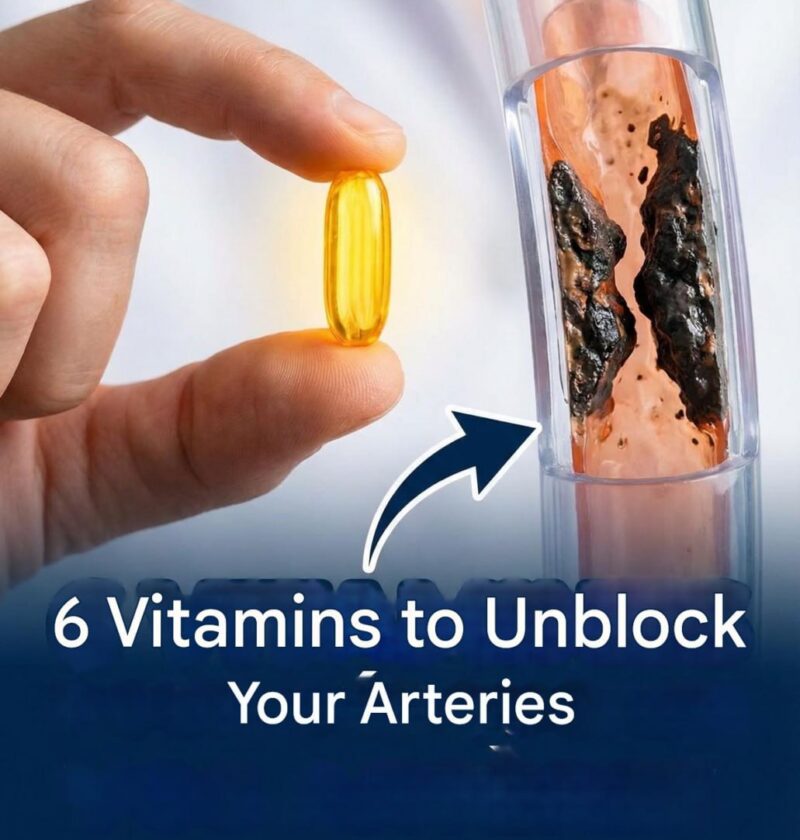
You may see headlines claiming that certain vitamins can “unblock arteries.” While this is a popular marketing phrase, it is not medically accurate.
Arteries can become narrowed by a process called atherosclerosis, in which fatty deposits (plaques) build up inside blood vessels. Once significant plaque has formed, no vitamin has been proven to simply dissolve or “unblock” arteries.
However, certain vitamins and nutrients play important roles in supporting cardiovascular health and may help maintain healthy blood vessels as part of an overall healthy lifestyle.
Understanding Arterial Plaque
Atherosclerosis is associated with factors such as:
- High cholesterol
- High blood pressure
- Smoking
- Diabetes
- Obesity
- Physical inactivity
Over time, plaque buildup can increase the risk of:
- Coronary Artery Disease
- Heart Attack
- Stroke
1. Vitamin D
Why It Matters
Vitamin D supports:
- Bone health
- Immune function
- Cardiovascular health
Low vitamin D levels have been associated with increased cardiovascular risk in some studies, although supplementation has not been proven to reverse arterial plaque.
Food Sources
- Fatty fish
- Egg yolks
- Fortified dairy products
2. Vitamin C
Why It Matters
Vitamin C functions as an antioxidant.
Potential benefits include:
- Supporting blood vessel health
- Protecting cells from oxidative stress
- Assisting collagen production
Food Sources
- Oranges
- Strawberries
- Bell peppers
- Kiwi
3. Vitamin E
Why It Matters
Vitamin E helps protect cells from oxidative damage.
Research has examined its role in cardiovascular health, though high-dose supplementation has not consistently shown cardiovascular benefits.
Food Sources
- Almonds
- Sunflower seeds
- Spinach
- Avocados
4. Vitamin K
Why It Matters
Vitamin K plays a role in calcium metabolism.
Researchers continue to investigate whether adequate vitamin K intake may support healthy blood vessel function.
Food Sources
- Kale
- Spinach
- Broccoli
- Brussels sprouts
5. Folate (Vitamin B9)
Why It Matters
Folate helps regulate homocysteine levels.
Elevated homocysteine has been associated with cardiovascular risk.
Food Sources
- Leafy greens
- Beans
- Lentils
- Asparagus
6. Vitamin B12
Why It Matters
Vitamin B12 works with folate in homocysteine metabolism.
Deficiency can contribute to anemia and neurological symptoms.
Food Sources
- Fish
- Meat
- Dairy products
- Fortified foods
What Actually Helps Reduce Cardiovascular Risk?
The strongest evidence supports:
Healthy Diet
Patterns such as the Mediterranean diet emphasize:
- Vegetables
- Fruits
- Whole grains
- Nuts
- Fish
- Healthy fats
Regular Exercise
Physical activity supports:
- Blood pressure control
- Weight management
- Heart health
Managing Blood Pressure
Controlling hypertension significantly lowers cardiovascular risk.
Cholesterol Management
Medical treatment and lifestyle changes can help reduce harmful cholesterol levels.
Avoiding Tobacco
Smoking is one of the most significant contributors to arterial damage.
The Truth About Artery Health
No vitamin has been proven to “unblock” clogged arteries. However, maintaining adequate levels of essential vitamins through a balanced diet may support overall cardiovascular health.
For individuals with significant plaque buildup, healthcare providers may recommend:
- Lifestyle changes
- Medications
- Medical procedures when necessary
When to Seek Medical Advice
Consult a healthcare professional if you experience:
- Chest pain
- Shortness of breath
- Unexplained fatigue
- High blood pressure
- Elevated cholesterol
Early management can significantly reduce long-term cardiovascular risk.
Final Thoughts
Vitamins such as Vitamin D, Vitamin C, Vitamin E, Vitamin K, Folate, and Vitamin B12 contribute to overall health and may support healthy cardiovascular function. However, they should not be viewed as treatments that can remove arterial plaque or reverse established cardiovascular disease.
A balanced diet, regular exercise, avoidance of smoking, and appropriate medical care remain the most effective strategies for maintaining healthy arteries.
Sources
- American Heart Association
- National Institutes of Health
- Centers for Disease Control and Prevention
- Mayo Clinic
Part 2: Heart-Healthy Nutrient-Rich Salad
Ingredients
- 2 cups spinach
- 1 orange, sliced
- 1/2 avocado, diced
- 2 tablespoons sunflower seeds
- 1 tablespoon almonds, chopped
- Olive oil and lemon juice dressing
Method
- Place spinach in a serving bowl.
- Add orange slices and avocado.
- Sprinkle sunflower seeds and almonds on top.
- Drizzle with olive oil and lemon juice.
- Serve immediately.
Benefits
This salad provides natural sources of vitamins, antioxidants, healthy fats, and fiber that support overall cardiovascular wellness as part of a balanced lifestyle.
Important Reminder