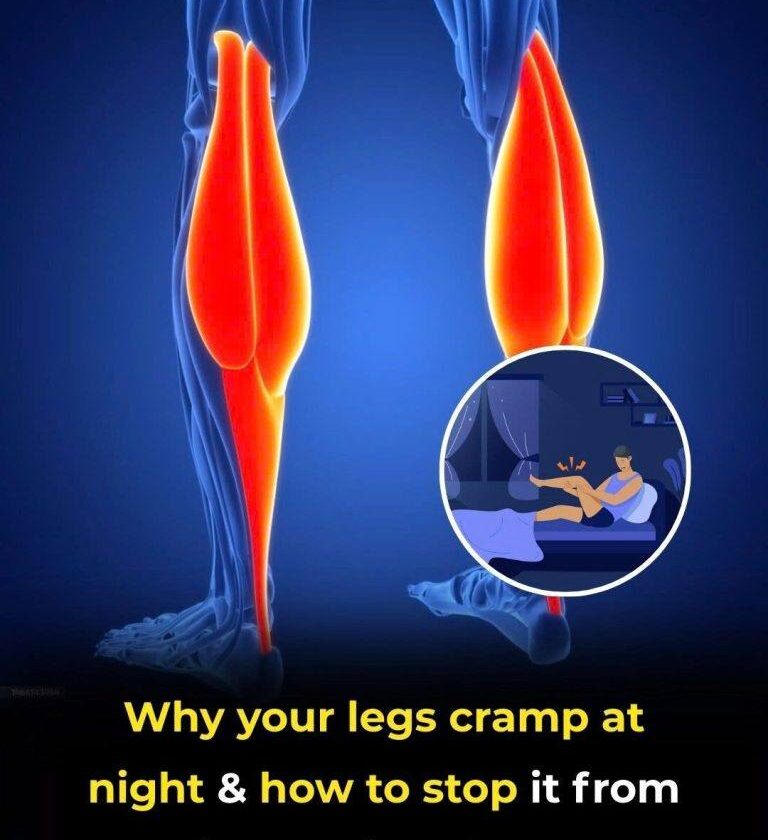
Nighttime Leg Cramps – What Your Body Might Be Telling You
Why Night Leg Cramps Are So Common
Waking up in the middle of the night with sudden, painful tightening in the leg muscles is a very common experience. These are often called nocturnal leg cramps and can affect the calves, feet, or thighs.
They usually last from a few seconds to several minutes and may leave soreness afterward.
In many cases, they are harmless—but sometimes they can be linked to underlying lifestyle or health factors that deserve attention.
What Causes Night Leg Cramps?
There is no single cause. Instead, multiple factors can contribute.
1. Dehydration
Not drinking enough fluids during the day can affect muscle function.
When the body lacks adequate hydration:
- Electrolyte balance may be affected
- Muscles may become more irritable
- Cramping can occur more easily
2. Electrolyte Imbalance
Minerals like magnesium, potassium, calcium, and sodium help muscles contract and relax properly.
Low levels may contribute to cramping sensations.
3. Muscle Fatigue
Overuse of leg muscles during the day can lead to nighttime cramps, especially if you:
- Stand for long hours
- Walk or exercise intensely
- Do repetitive physical work
4. Poor Circulation
Reduced blood flow to the legs can increase cramping risk.
One related condition is Peripheral Artery Disease.
5. Nerve Sensitivity
Certain nerve-related conditions may contribute to muscle spasms or cramping sensations.
6. Sitting or Sleeping Position
Remaining in one position for long periods can shorten muscles and increase cramp risk at night.
7. Certain Medications
Some medications may increase the likelihood of muscle cramps, including:
- Diuretics
- Statins
- Certain asthma medications
Always consult a healthcare provider before making medication changes.
8. Pregnancy
Leg cramps are common during pregnancy due to:
- Circulation changes
- Pressure on nerves
- Mineral shifts
9. Aging
As people age:
- Muscle mass decreases
- Tendons become less flexible
- Circulation may slow
This can make cramps more common.
10. Low Physical Activity
Weak or underused muscles may cramp more easily, especially at night.
When Night Cramps May Signal a Health Issue
Occasional cramps are usually not serious, but frequent or severe cramps may be associated with:
- Nerve disorders
- Circulation problems
- Kidney issues
- Diabetes-related complications
One example condition linked with nerve changes is Type 2 Diabetes.
How to Relieve a Leg Cramp Quickly
If a cramp occurs:
- Gently stretch the affected muscle
- Flex your foot upward toward your body
- Massage the muscle
- Walk around slowly
- Apply warm compresses
How to Reduce Night Leg Cramps
Stay Hydrated
Drink enough water throughout the day.
Stretch Before Bed
Light stretching of calves and thighs may help.
Maintain Electrolyte Balance
Eat foods rich in:
- Magnesium
- Potassium
- Calcium
Stay Active
Regular movement improves circulation and muscle health.
Improve Sleep Position
Avoid keeping toes pointed downward for long periods.
When to See a Doctor
Seek medical advice if:
- Cramps are frequent and severe
- Pain persists after cramping
- There is swelling or redness
- You notice weakness or numbness
- Cramps disrupt sleep regularly
Final Thoughts
Night leg cramps are often caused by simple factors like dehydration, muscle fatigue, or mineral imbalance. However, in some cases, they may be linked to circulation, nerve, or metabolic conditions.
Understanding triggers and making small lifestyle adjustments can significantly reduce their frequency for many people.
Sources
- Mayo Clinic
- National Health Service
- Cleveland Clinic
- National Institute on Aging
Part 2: Simple Night Leg Cramp Relief Routine
Before Bed
- Drink a glass of water
- Stretch calves and thighs for 3–5 minutes
- Avoid sitting for long periods before sleep
If a Cramp Happens
- Straighten your leg.
- Pull toes toward your body.
- Massage the muscle gently.
- Stand and walk slowly if possible.
Daily Prevention Tips
- Stay active
- Eat potassium- and magnesium-rich foods
- Avoid dehydration
- Wear comfortable sleeping positions
Reminder
Frequent leg cramps may be harmless, but persistent symptoms