Foods Traditionally Associated With Digestive Health and Intestinal Parasite Prevention
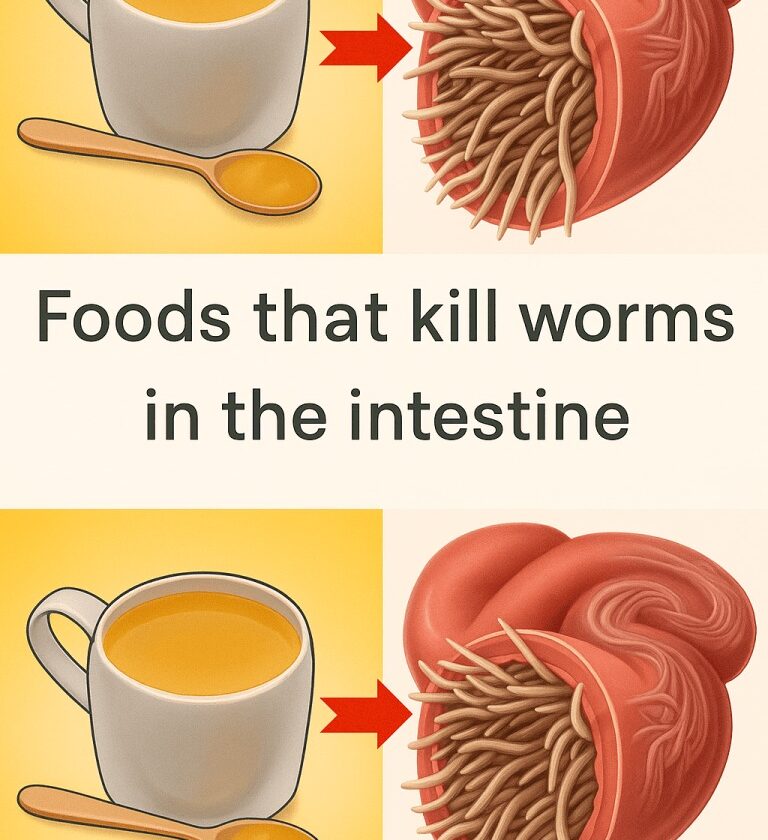
Can Foods “Kill” Intestinal Worms?
The claim that certain foods can “kill worms in the intestine” is often exaggerated. Intestinal worm infections, also called helminth infections, are medical conditions that typically require proper diagnosis and, when needed, treatment with prescription antiparasitic medications.
Some foods have been traditionally used in various cultures to support digestive health or have shown laboratory activity against certain parasites. However, eating these foods should not be considered a replacement for medical treatment.
If you suspect an intestinal parasite infection, consult a healthcare professional for testing and appropriate care.
Understanding Intestinal Worm Infections
Common intestinal parasites include:
- Ascariasis
- Pinworm Infection
- Tapeworm Infection
Symptoms may include:
- Abdominal discomfort
- Nausea
- Diarrhea
- Weight loss
- Fatigue
- Itching around the anus (especially with pinworms)
Many infections require laboratory testing for confirmation.
1. Garlic
Garlic has long been used in traditional medicine.
It contains compounds such as allicin, which have been studied for antimicrobial properties.
Potential benefits:
- Supports general digestive health
- Contains natural sulfur compounds
- May contribute to a healthy gut environment
2. Pumpkin Seeds
Pumpkin Seeds are among the most commonly mentioned traditional foods for parasite support.
They contain natural compounds that have been studied for possible effects on certain parasites in laboratory settings.
They also provide:
- Magnesium
- Zinc
- Healthy fats
- Plant protein
3. Papaya
Papaya contains enzymes such as papain.
Traditionally, papaya seeds have been investigated for their possible role in digestive health, though evidence remains limited.
4. Carrots
Carrot are high in fiber, which supports healthy digestion and regular bowel movements.
A healthy digestive system may help maintain overall gut health.
5. Coconut
Coconut has a history of use in traditional remedies for digestive wellness.
It provides:
- Fiber
- Healthy fats
- Nutrients that support general nutrition
6. Ginger
Ginger is widely used to support digestive comfort.
Potential benefits include:
- Helping reduce nausea
- Supporting digestion
- Promoting gastrointestinal comfort
7. Turmeric
Turmeric is known for its antioxidant and anti-inflammatory properties.
While often included in digestive health discussions, it should not be viewed as a treatment for parasitic infections.
Foods Are Not a Substitute for Medical Treatment
Although these foods may support general digestive health, they are not proven cures for intestinal worm infections.
Medical treatment may involve medications specifically designed to eliminate parasites, such as antiparasitic drugs prescribed by a healthcare professional.
How to Reduce the Risk of Intestinal Parasites
Practical prevention strategies include:
Good Hand Hygiene
Wash hands thoroughly:
- Before eating
- After using the restroom
- After handling animals
Safe Food Preparation
- Wash fruits and vegetables thoroughly
- Cook meat properly
- Avoid contaminated food and water
Clean Living Environments
Regular cleaning can help reduce exposure to certain parasites.
When to See a Doctor
Seek medical advice if you experience:
- Persistent abdominal pain
- Unexplained weight loss
- Blood in stool
- Ongoing diarrhea
- Suspected worm infection
Laboratory testing can determine the cause and appropriate treatment.
Final Thoughts
Foods such as Garlic, Pumpkin Seeds, and Papaya are often discussed in traditional digestive health practices. However, there is insufficient evidence to claim they reliably “kill worms” in humans.
For suspected intestinal parasite infections, proper medical evaluation and evidence-based treatment remain the safest and most effective approach.
Sources
- World Health Organization
- Centers for Disease Control and Prevention
- Mayo Clinic
- National Health Service
Part 2: Simple Digestive Health Recipe
Ingredients
- 1 tablespoon pumpkin seeds
- 1 small carrot, grated
- 1 cup papaya, diced
- 1 teaspoon grated ginger
- Optional: sprinkle of turmeric
Method
- Combine papaya and grated carrot in a bowl.
- Add pumpkin seeds.
- Sprinkle ginger and turmeric on top.
- Mix gently and serve fresh.
Serving Suggestion
Enjoy as part of a balanced diet that includes adequate hydration, fiber, and proper food safety practices.
Important Reminder
This recipe supports general digestive wellness but is not a treatment for intestinal parasites. If you suspect a parasite infection, consult a healthcare professional for diagnosis and treatment