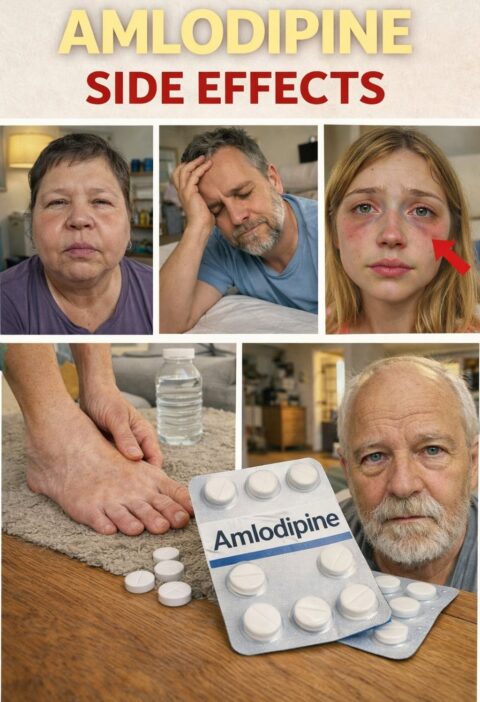
If you’re taking Amlodipine for Hypertension, your daily habits can either support the medicine or quietly make it less effective (or increase side effects like swelling, dizziness, or fatigue).
Here are 8 habits worth stopping—or at least strongly reducing—and why they matter.
1. Eating a consistently high-salt diet
Too much sodium keeps raising blood pressure, forcing amlodipine to “fight uphill.” Even if the medication works, excess salt can blunt its full benefit. Packaged snacks, pickles, instant noodles, and restaurant foods are common hidden sources.
2. Drinking grapefruit juice regularly
Grapefruit can interfere with how amlodipine is broken down in the body, potentially increasing drug levels and side effects like low blood pressure, flushing, or swelling. Occasional intake may not matter for everyone, but regular use is a risk worth avoiding.
3. Skipping doses or taking it inconsistently
Amlodipine works best with steady blood levels. Missing doses or “taking it only when BP feels high” leads to unstable control and increases long-term cardiovascular risk.
4. Overusing NSAID painkillers (like ibuprofen)
Frequent use of anti-inflammatory painkillers can reduce the blood-pressure-lowering effect of amlodipine and may strain kidney function, which is important in blood pressure regulation.
5. Drinking excessive alcohol
Alcohol can cause blood pressure fluctuations and may intensify side effects like dizziness or lightheadedness when combined with amlodipine. Heavy or frequent drinking is especially problematic.
6. Relying heavily on energy drinks or high caffeine intake
Large doses of caffeine or stimulant-heavy energy drinks can temporarily spike blood pressure and counteract the stability amlodipine is trying to maintain.
7. Smoking or frequent exposure to nicotine
Nicotine tightens blood vessels and raises blood pressure almost immediately after use. This directly works against amlodipine’s mechanism, making control harder even if medication is taken correctly.
8. Living a very sedentary lifestyle
Lack of physical activity reduces vascular flexibility and worsens insulin resistance and weight gain—all of which increase blood pressure over time. Amlodipine alone is not enough if movement is minimal.
A final note
Amlodipine is effective for many people, but it works best as part of a broader pattern: consistent dosing, balanced diet, and stable lifestyle habits. If side effects like swelling in the ankles or dizziness become frequent, it’s worth discussing adjustments with a clinician rather than stopping it on your own.
If you want, I can also list the best habits to build while taking amlodipine or a simple daily routine for better blood pressure control.