That headline is another “listicle warning” that sounds more dramatic than the actual medical reality.
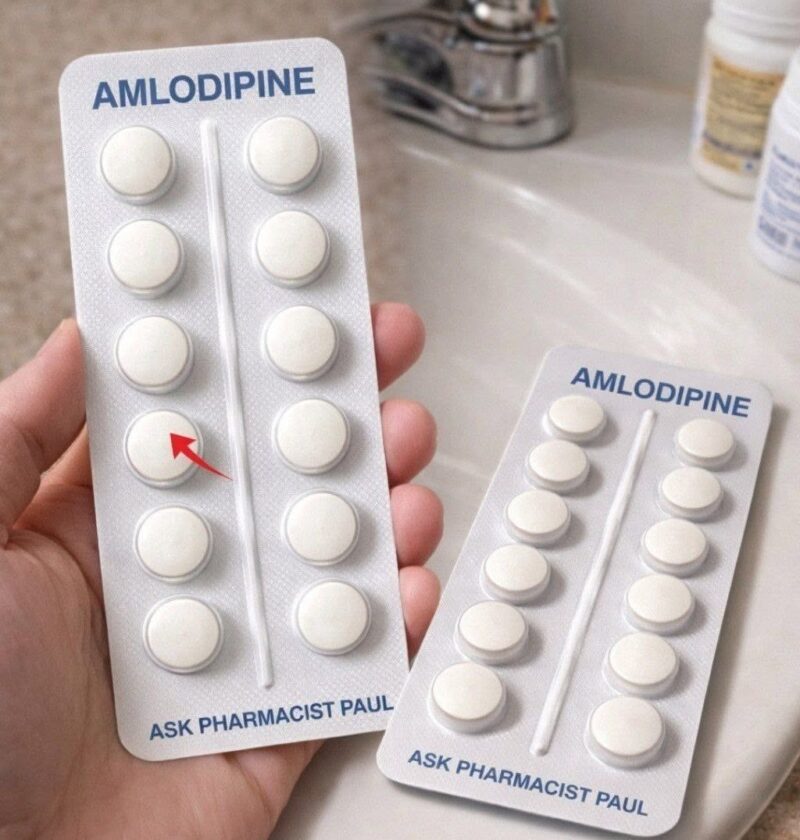
Amlodipine is a blood pressure medicine used to relax blood vessels and lower blood pressure. Most “habits you should stop” lists online are a mix of real precautions + exaggerated or irrelevant advice.
Here are the actually sensible habits doctors may warn about:
1. Taking NSAID painkillers too often
Frequent use of drugs like ibuprofen or diclofenac can reduce blood pressure control and may stress the kidneys in some people. Occasional use is usually fine, but regular use should be discussed with a doctor.
2. Suddenly stopping your medication
Stopping amlodipine on your own can cause blood pressure to rise again, increasing risk of stroke or heart problems. It should always be adjusted by a clinician.
3. Excessive alcohol intake
Alcohol can lower blood pressure temporarily and then cause instability, dizziness, and poor BP control when combined with antihypertensive medication.
4. Very high-salt diet
This doesn’t “interact” with the drug directly, but it works against it, making blood pressure harder to control.
5. Grapefruit in large amounts (caution, not strict ban)
Grapefruit can mildly affect drug metabolism enzymes (CYP3A4). With amlodipine, the effect is usually modest, but heavy or frequent intake may increase side effects like swelling or flushing in some people.
6. Dehydration / overheating
Hot weather, not drinking enough fluids, or heavy sweating can increase the risk of dizziness or low blood pressure, especially in older adults.
7. Double-dosing if you miss a pill
Taking extra doses to “catch up” can cause blood pressure to drop too much. The usual advice is to take the missed dose when remembered unless it’s close to the next one.
8. Ignoring side effects like persistent ankle swelling
Mild ankle swelling is a known side effect, but if it becomes severe or sudden, it should be checked rather than ignored.
Bottom line
These lists are often designed to sound alarming, but the real message is simple: amlodipine works well and is safe for most people when taken consistently, with attention to diet, alcohol, and other medications.
If you want, I can break down the exact “8 habits” from the post you saw and tell you which ones are accurate and which are nonsense.