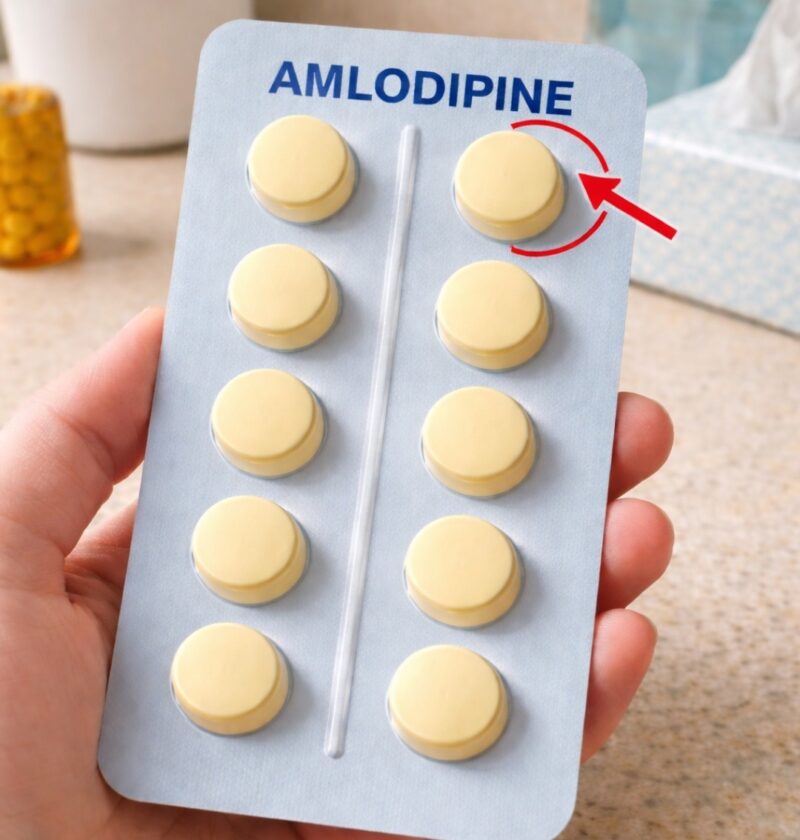
If you’re taking Amlodipine (often sold as Norvasc), some everyday habits can make the medication less effective or increase side effects like dizziness, swelling, flushing, or low blood pressure.
Here are 8 habits worth stopping or limiting this year — and why:
- Skipping doses or taking it at random times
Amlodipine works best when the level in your body stays steady. Missing doses or changing the timing too much can cause blood pressure swings and increase your risk of chest pain or stroke. - Eating grapefruit or drinking grapefruit juice regularly
Grapefruit can slow the breakdown of amlodipine in the body, which may increase side effects like dizziness, low blood pressure, or swelling. (Healthline) - Drinking too much alcohol
Alcohol and amlodipine both relax blood vessels. Together they can make you feel faint, lightheaded, tired, or unsteady — especially when standing up quickly. (Medical News Today) - Using NSAID painkillers too often
Frequent use of drugs like Ibuprofen or naproxen may raise blood pressure and make amlodipine less effective. They can also increase kidney stress in some people. (Medical News Today) - Smoking
Smoking damages blood vessels and raises cardiovascular risk. Even if amlodipine lowers your blood pressure, smoking keeps working against your heart and arteries. - Eating a very high-salt diet
Too much sodium can increase blood pressure and fluid retention, which may worsen ankle swelling — a common side effect of amlodipine. - Standing up too quickly when dehydrated
Amlodipine can lower blood pressure enough to cause dizziness. Dehydration, heat, fasting, or suddenly standing can make this worse and increase the chance of fainting. - Taking supplements or herbal remedies without checking first
Some products — such as St. John’s Wort — may reduce amlodipine’s effectiveness, while others may lower blood pressure too much when combined with it. (Medical News Today)
A few extra reminders:
- Don’t stop amlodipine suddenly unless your doctor tells you to.
- Check your blood pressure regularly if possible.
- Tell your doctor about all medications, supplements, and over-the-counter products you use.
Seek medical help urgently if you develop:
- chest pain,
- severe dizziness/fainting,
- trouble breathing,
- or major swelling in the legs or face.