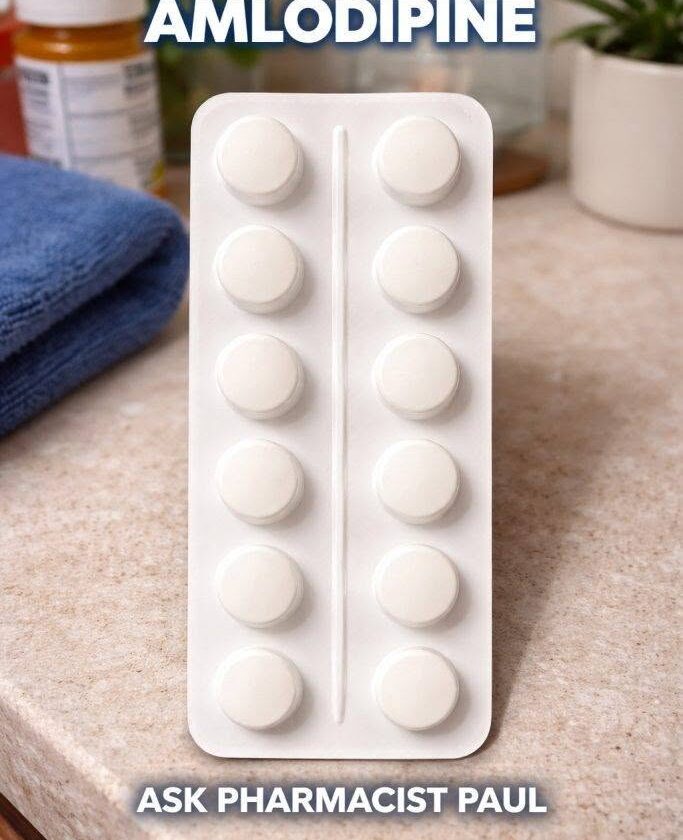
If you take amlodipine (a calcium channel blocker commonly used to treat high blood pressure and some types of chest pain), there are certain habits worth avoiding because they can reduce how well it works or increase side effects.
Here are 8 habits to reconsider while taking amlodipine:
1. Skipping doses or taking it inconsistently
- Amlodipine works best when taken regularly.
- Missing doses can allow blood pressure to rise again.
2. Eating a very high-salt diet
- Too much sodium can raise blood pressure and make it harder for amlodipine to control it.
- Limit highly processed foods, salty snacks, and excessive added salt.
3. Drinking too much alcohol
- Alcohol can lower blood pressure and may increase side effects such as:
- Dizziness
- Lightheadedness
- Fainting risk
4. Ignoring ankle or foot swelling
- Swollen ankles are a relatively common side effect of amlodipine.
- Tell your healthcare provider if swelling is persistent, severe, or bothersome.
5. Becoming dehydrated
- Dehydration can make dizziness or low blood pressure symptoms worse, especially in older adults.
6. Smoking
- Smoking damages blood vessels and increases cardiovascular risk, working against the goal of blood pressure treatment.
7. Taking new medicines or supplements without checking
Some medicines can interact with amlodipine, including certain:
- Heart medicines
- Blood pressure medicines
- Antifungal medicines
- Supplements or herbal products
A pharmacist can help check for interactions.
8. Stopping amlodipine suddenly
- Do not stop it without medical guidance. Your blood pressure may rise again, increasing cardiovascular risk