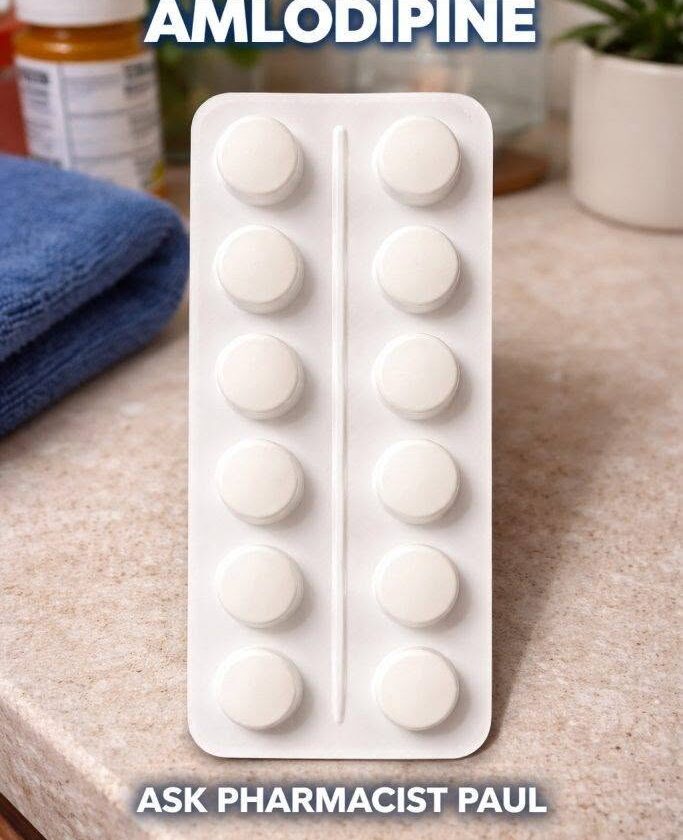
Amlodipine is commonly prescribed to help control high blood pressure and treat angina (chest pain related to reduced heart blood flow). It works by relaxing blood vessels, which helps lower blood pressure and reduces strain on the heart.
If you take amlodipine, certain habits may reduce its effectiveness, worsen side effects, or affect your overall heart health.
8 habits to consider stopping or changing while taking amlodipine
1. Skipping doses or taking it inconsistently
Amlodipine works best when taken regularly. Missing doses can allow blood pressure to rise again and reduce protection against complications.
2. Stopping the medication suddenly without medical advice
Even if you feel well, high blood pressure often has no symptoms. Talk to your healthcare provider before making changes.
3. Eating too much salt
High sodium intake can raise blood pressure and make it harder to control. Limit processed foods, salty snacks, and heavily salted meals.
4. Smoking or using tobacco
Smoking damages blood vessels and increases the risk of heart attack and stroke, working against the benefits of blood pressure treatment.
5. Drinking excessive alcohol
Alcohol can affect blood pressure and may increase side effects such as dizziness or lightheadedness.
6. Ignoring swelling in the ankles or feet
Amlodipine can cause ankle swelling (edema) in some people. It is often not dangerous, but persistent or severe swelling should be discussed with a healthcare professional.
7. Not monitoring your blood pressure
Regular checks help you and your healthcare provider know whether the medication and lifestyle changes are working.
8. Living a sedentary lifestyle
Regular physical activity, when appropriate for your health, supports healthy blood pressure and cardiovascular function.
Also be careful about:
- Grapefruit: Unlike some other calcium channel blockers, grapefruit is not generally considered a major issue with amlodipine, but it is still wise to ask your pharmacist about your specific situation and other medicines you take.
- Other medications or supplements: Some drugs can interact with blood pressure medicines, so inform your healthcare provider about everything you use.
Contact a healthcare professional if you experience:
- Severe dizziness or fainting
- New or worsening chest pain
- Trouble breathing
- Significant swelling
- A very fast or irregular heartbeat
Never change your dose or stop amlodipine without medical guidance. Blood pressure control usually works best when medication, diet, activity, and regular monitoring are combined.