What Is Normal Blood Pressure for Your Age? A Clear Guide
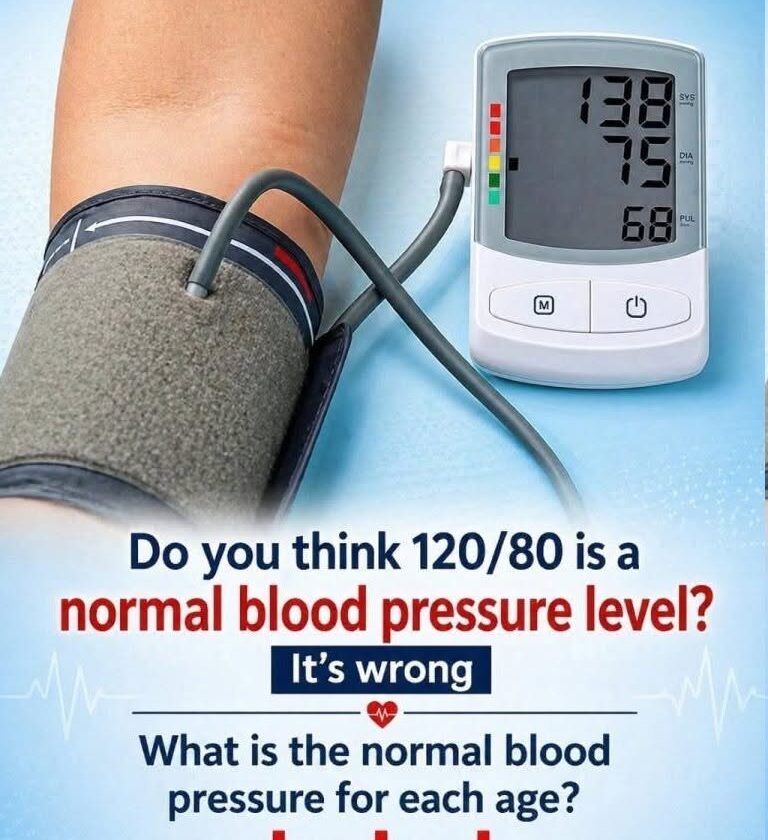
Blood pressure does not have a completely different “normal” range for each age, although blood pressure often rises as people get older. For most adults, the general goal is to keep blood pressure below 120/80 mmHg.
Blood pressure is written as two numbers:
- Systolic pressure (top number): the pressure when your heart beats.
- Diastolic pressure (bottom number): the pressure when your heart relaxes.
Adult blood pressure categories (commonly used guidelines)
| Blood pressure reading | Category |
|---|---|
| Below 120/80 mmHg | Normal |
| 120–129 and below 80 | Elevated |
| 130–139 or 80–89 | High blood pressure (Stage 1) |
| 140 or higher or 90 or higher | High blood pressure (Stage 2) |
| 180 or higher and/or 120 or higher | Hypertensive crisis (needs urgent attention) |
Typical healthy targets by age (general guide)
- 18–39 years: Often around 90–120 / 60–80 mmHg
- 40–59 years: Often around 90–130 / 60–80 mmHg
- 60+ years: Many adults aim for below 130–140 / 80–90 mmHg, depending on overall health and medical advice
The right target can vary based on conditions such as diabetes, kidney disease, heart disease, medications, and overall health.
Factors that can temporarily raise blood pressure
- Stress or anxiety
- Exercise
- Caffeine
- Pain
- Poor sleep
- Smoking
- Recent illness
Tips for getting an accurate reading
- Sit quietly for about 5 minutes before measuring.
- Keep your feet flat on the floor.
- Support your arm at heart level.
- Avoid caffeine, smoking, or exercise for about 30 minutes beforehand.
- Take multiple readings on different days if monitoring at home