That headline is another fear-based exaggeration.
🫒 Is “80% of olive oil fake” true?
No—this is not an accurate global fact. What is true is:
- Some olive oil fraud or mislabeling has happened historically
- Quality varies a lot between brands and countries
- “Extra virgin” is sometimes sold but does not meet strict standards
But saying “80% is fake” is not supported as a reliable universal statistic.
🧪 What “fake olive oil” actually means
It can refer to:
- Dilution with cheaper oils (sunflower, soybean, etc.)
- Mislabeling lower-grade oil as “extra virgin”
- Poor storage that degrades quality
- Old or oxidized oil sold as fresh
True complete fraud exists, but it is not the majority in most regulated markets.
🫒 How to know if your olive oil is real quality
✔️ Look for:
- “Extra Virgin” + certified seal
- Harvest date (not just expiry date)
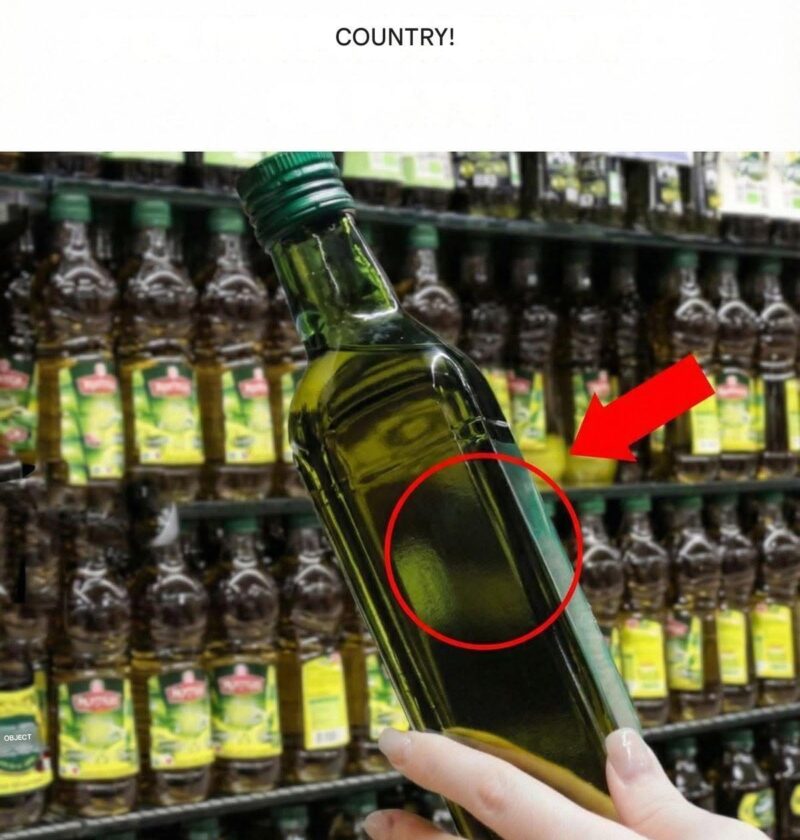
- Dark glass bottle (protects from light)
- Single-origin country or farm
- Trusted certification (IOC, PDO, PGI)
⚠️ Be cautious if:
- It is extremely cheap for “extra virgin”
- No harvest or production info is listed
- Plastic clear bottle (light damage risk)
- No traceable brand origin
🧠 Simple truth
Most olive oil is not fake, but:
👉 Quality varies widely
👉 Premium oils are more carefully regulated
👉 Cheap oils are more likely to be low quality or blended
🫒 Bottom line