That headline is misleading.
There is no medically reliable set of “9 early signs of stroke that appear a week before” for everyone. A stroke is usually sudden, but sometimes there are warning events called a transient ischemic attack (TIA).
🧠 What actually can happen before a stroke
Stroke is sometimes preceded by a Transient Ischemic Attack (TIA)
A TIA can occur days or weeks before a stroke—but not in a predictable checklist pattern.
⚠️ Real warning symptoms (TIA / stroke-related)
These can appear suddenly and include:
- Face drooping on one side
- Weakness or numbness in arm or leg
- Trouble speaking or understanding speech
- Sudden vision loss or blurred vision
- Loss of balance or coordination
- Sudden severe dizziness
- Confusion or disorientation
- Sudden severe headache (rare but serious)
These symptoms may last minutes or hours in a TIA and then disappear.
🚨 Key point seniors should know
If any of these happen—even once and even if they go away—it is:
- NOT “normal aging”
- NOT something to wait on
- A medical emergency warning sign
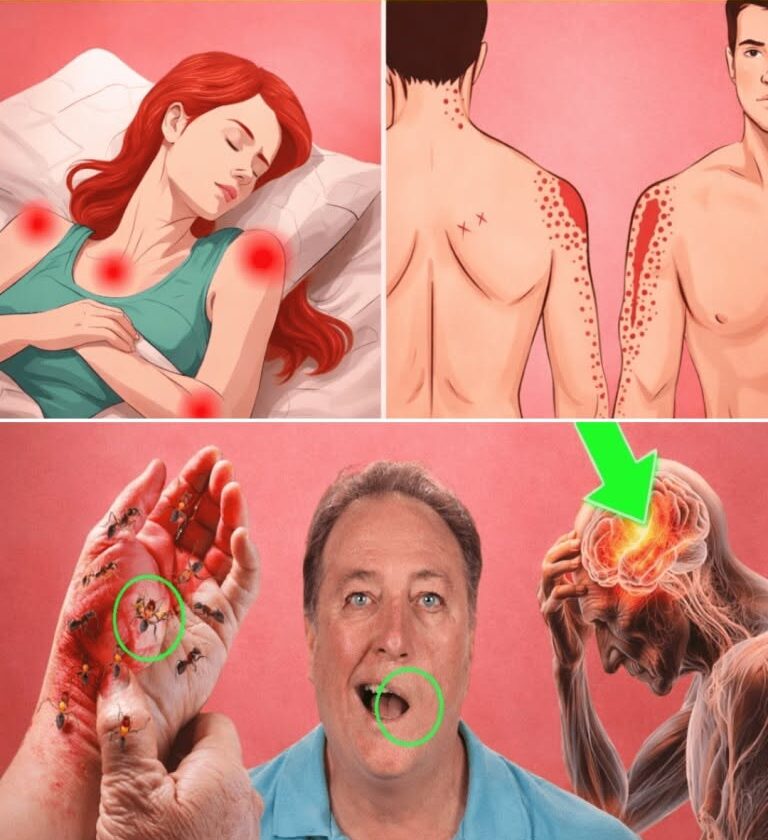
🛡️ Why viral “9-sign lists” are misleading
Posts often add vague symptoms like:
- fatigue
- neck pain
- anxiety
- sleep issues
These are not specific stroke predictors and can come from many harmless conditions.
✔️ What actually reduces stroke risk
Long-term prevention matters more than guessing early signs:
- Control blood pressure (most important)
- Manage diabetes and cholesterol
- Avoid smoking
- Stay physically active
- Healthy diet
- Treat heart rhythm issues (like atrial fibrillation)
🧠 Bottom line
There is no guaranteed “1-week warning checklist” for stroke. The only trustworthy early signal is a TIA or sudden neurological symptoms, which require immediate attention.
If you want, I can turn this into a simple FAST checklist poster you can memorize in 30 seconds—it’s the most reliable stroke recognition tool.