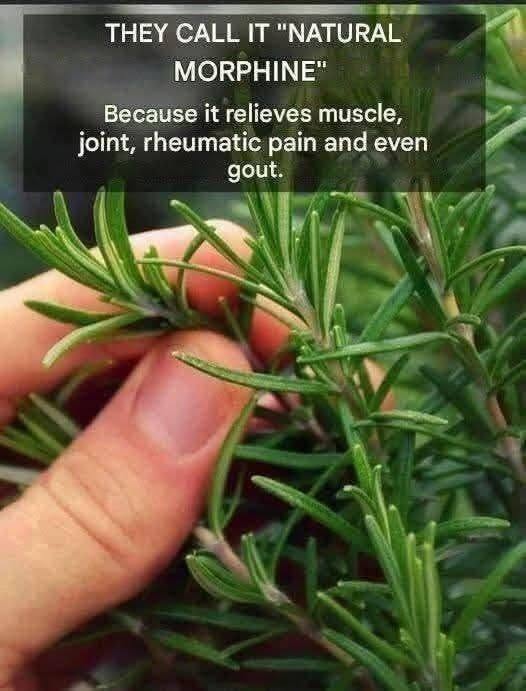
Headlines like “Natural Morphine plant” are usually referring to plants that have mild, natural pain-relieving compounds—but the comparison to morphine is often exaggerated or misleading.
There is no true plant that safely works like pharmaceutical morphine for pain control without risks.
What “Natural Morphine” Usually Refers To
Most of these articles are talking about one or more of the following:
- Willow Bark
Contains salicin, which inspired aspirin development. It can help mild pain and inflammation. - Kratom
Has opioid-like effects at high doses, but comes with addiction and safety concerns. - Wild Lettuce
Traditionally used for mild sedation and pain relief, but evidence is limited.
The Reality Behind the Claim
1. They are NOT equal to morphine
- Morphine is a powerful opioid used in hospitals.
- Plant compounds are far weaker and inconsistent.
2. Effects vary and are not well controlled
- Plant strength depends on growing conditions, preparation, and dose.
- This makes effects unpredictable.
3. Safety is often overstated in viral posts
Some “natural painkillers” can cause:
- Drowsiness
- Nausea
- Interactions with medications
- Dependence (especially with kratom)
A Closer Look at the Most Misleading One
Kratom (most commonly called “natural morphine” online)
- Can act like a stimulant in low doses and sedative in high doses
- May interact with brain opioid receptors
- Has been linked to dependence and withdrawal symptoms in some users
What actually works for pain safely?
Evidence-based options include:
- Paracetamol (acetaminophen)
- Ibuprofen or other NSAIDs (when appropriate)
- Physical therapy and exercise for chronic pain
- Medical evaluation for persistent pain causes
Bottom line
The idea of a “natural morphine plant” is mostly marketing language, not medical fact. Some plants may offer mild pain relief, but none match prescription painkillers in strength, consistency, or safety control.
If you want, tell me the specific plant you saw in the video/article and I can break down whether it actually works or is mostly hype.