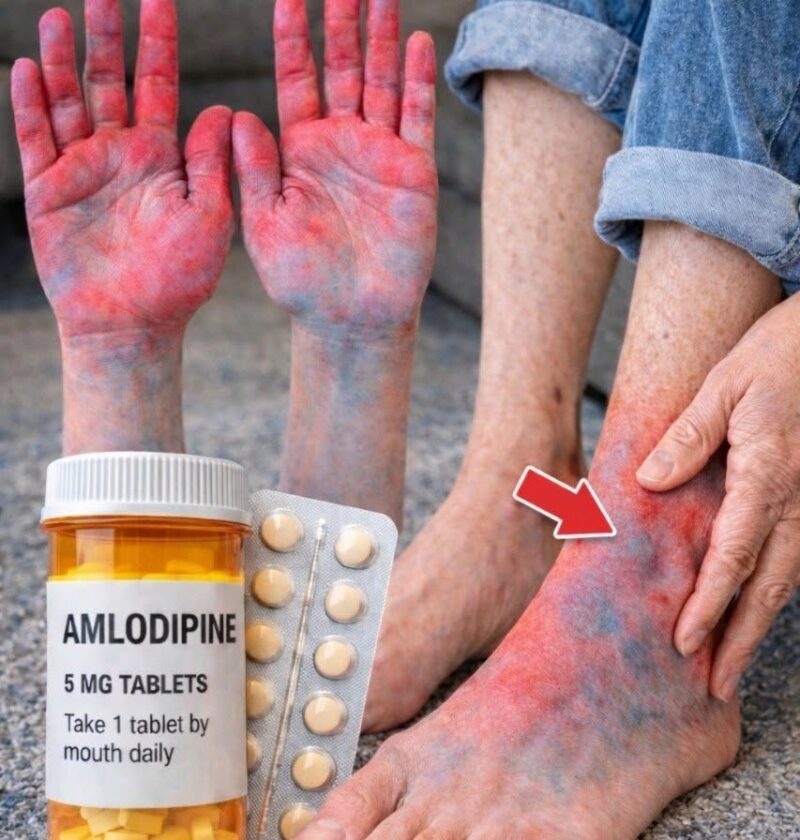
That headline is pure clickbait. It’s designed to sound alarming, not accurate.
Metoprolol is a widely used beta-blocker prescribed for blood pressure, heart rhythm issues, angina, and sometimes anxiety-related heart symptoms. Like all medications, it has side effects—but most are well known, monitored, and manageable.
Here are the real, medically recognized side effects, not exaggerated ones:
Common side effects (fairly frequent)
- Fatigue or tiredness
- Dizziness (especially when standing up quickly)
- Slow heart rate (bradycardia)
- Cold hands or feet
- Mild nausea
- Headache
Less common but important
- Shortness of breath (more likely in people with asthma or COPD)
- Sleep disturbances or vivid dreams
- Depression or low mood in some people
- Reduced exercise tolerance
Rare but serious (needs medical attention)
- Very slow heart rate or fainting
- Worsening heart failure symptoms (swelling, severe breathlessness)
- Severe allergic reaction (rash, swelling, difficulty breathing)
- Chest pain worsening after starting or adjusting dose
Important context doctors want you to know
- Many people take metoprolol for years with no major issues
- Side effects often appear when starting or increasing the dose and may improve over time
- Stopping suddenly can be dangerous (can trigger rebound high heart rate or chest pain)
What you should NOT believe from those “10 shocking side effects” lists
- “Hidden toxins” or “secret damage doctors hide”
- Guaranteed severe outcomes (these are rare, not expected)
- Fear-based claims without dosage or medical context
If you want, tell me why you’re taking it (blood pressure, palpitations, anxiety, etc.), and I can explain what side effects matter most specifically for your situation and what’s usually harmless.