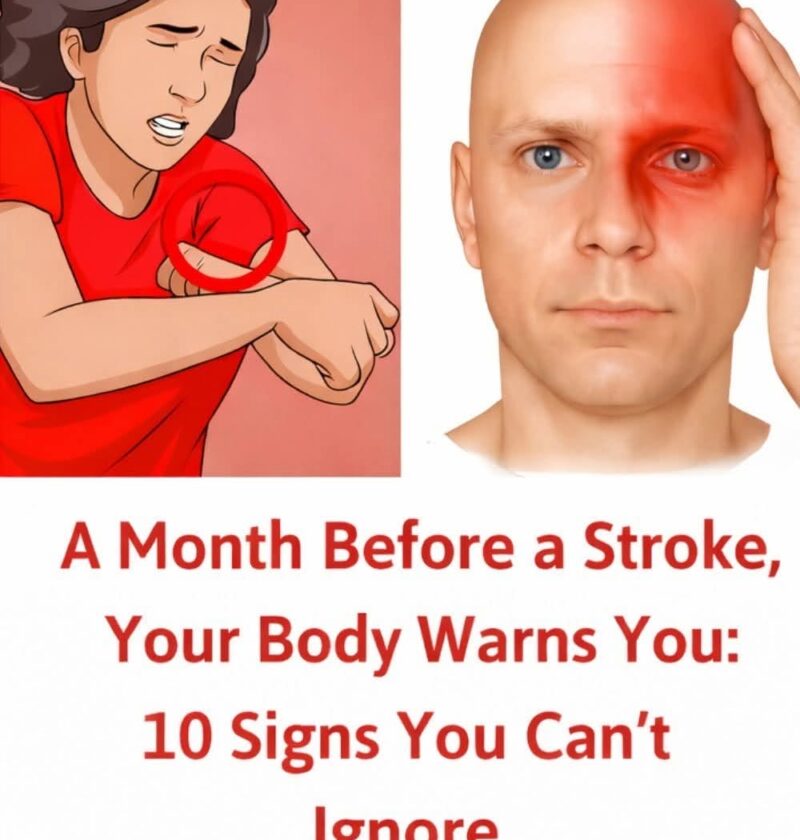
There is no proven, reliable set of “warnings one month before a stroke” that happens in every person. A stroke can be sudden, and when warning signs do appear, they usually come as a transient ischemic attack (TIA)—which can happen hours, days, or sometimes weeks before, but not in a predictable “1-month countdown.”
Here’s what is actually true:
🧠 Possible early warning (not guaranteed)
Stroke is sometimes preceded by a Transient Ischemic Attack (TIA)
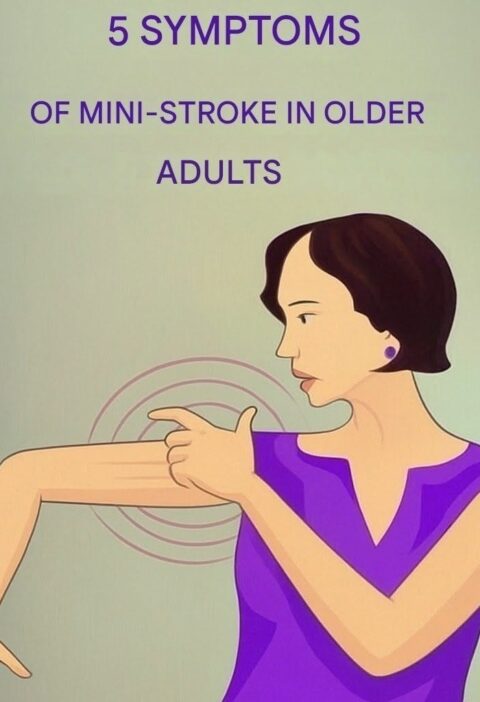
A TIA can cause temporary symptoms such as:
- Sudden weakness or numbness (face, arm, or leg)
- Trouble speaking or understanding speech
- Temporary vision loss or blurred vision
- Dizziness or loss of balance
These symptoms usually last minutes to a few hours and then disappear—but they are a major red flag for future stroke risk.
⚠️ What viral posts often claim (but is unreliable)
You may see lists like:
- Headaches for weeks
- Fatigue
- Mood changes
- Neck pain
- Sleep disturbances
These are not specific stroke warnings. They can come from hundreds of harmless conditions, so they are not used medically to predict stroke.
🚨 Real takeaway
The only dependable “warning” is:
- Sudden neurological symptoms (FAST signs) or a TIA
Everything else is too vague to rely on.
🛡️ What actually helps prevent stroke
Long-term risk control matters far more than trying to spot a “one-month sign”:
- Control blood pressure
- Manage diabetes and cholesterol
- Avoid smoking
- Exercise regularly
- Eat a balanced diet
- Treat heart rhythm problems if present
Bottom line
Your body doesn’t reliably “warn you a month before” a stroke. If warning signs appear, they are usually sudden and urgent, not slow and predictable.
If you want, I can show you a simple checklist of real emergency signs vs. fake viral symptoms so you can quickly tell them apart.