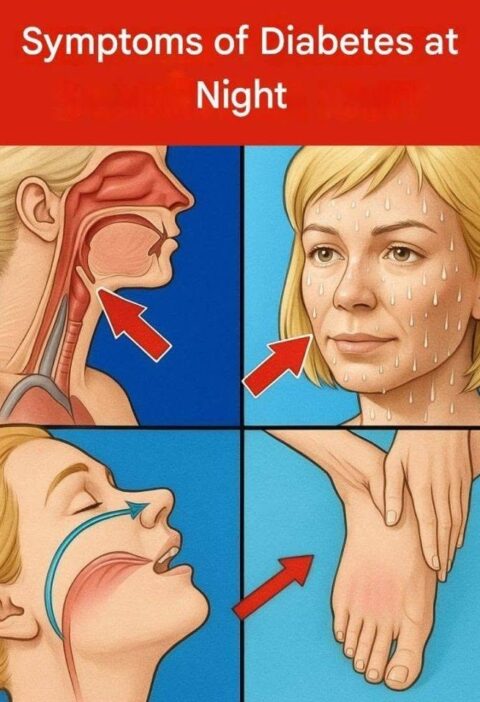
Atorvastatin (Atorvastatin) is one of the most studied medications in the world. For many people at risk of heart attack or stroke, its benefits are substantial.
Known side effects of atorvastatin
More common
- Muscle aches or soreness
- Joint pain
- Headache
- Mild digestive symptoms (nausea, diarrhea, constipation)
- Changes in liver enzyme blood tests
Less common but important
- Muscle weakness
- Sleep disturbances in some people
- Memory complaints (evidence is mixed, and symptoms are often reversible)
- Increased blood sugar levels, which may contribute to diabetes risk in susceptible individuals
Rare but serious
- Severe muscle injury (rhabdomyolysis)
- Significant liver injury
- Serious allergic reactions
Practical steps if you’re taking atorvastatin
- Don’t stop it suddenly without consulting your clinician.
- Report new muscle pain, weakness, or dark-colored urine promptly.
- Tell your clinician about all medications and supplements you take, as some can increase side-effect risk.
- Limit excessive alcohol intake, which can increase liver stress.
- Attend recommended follow-up appointments and blood tests.
When to seek urgent medical attention
Contact a healthcare professional promptly if you experience:
- Severe muscle pain or weakness
- Dark or cola-colored urine
- Yellowing of the skin or eyes
- Significant swelling or signs of an allergic reaction
The bigger picture
The reason articles like “15 side effects doctors rarely mention” get clicks is that they imply hidden information. In reality, atorvastatin’s side effects have been extensively studied and are documented in prescribing information and medical guidelines. The most important question is not whether side effects exist—they do—but whether the medication’s benefits outweigh its risks for your particular situation.
If you’re taking atorvastatin and are concerned about a specific symptom, tell me:
- Your dose
- How long you’ve been taking it
- The symptom you’re experiencing
and I can help explain whether it’s a known side effect and what questions to discuss with your doctor.