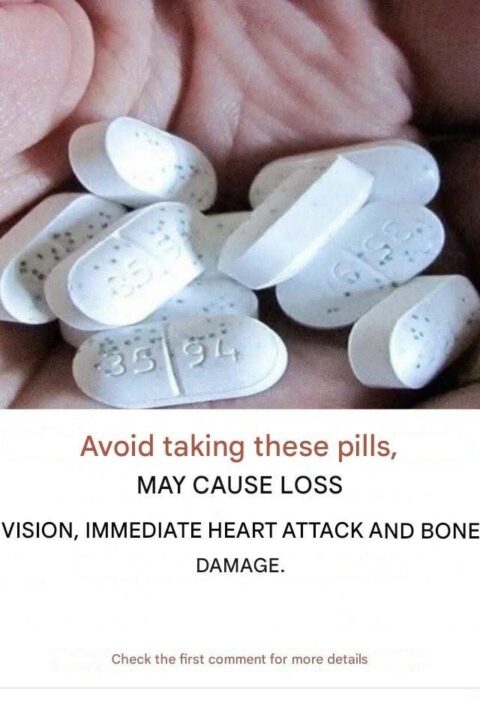
That headline is almost certainly referring to concerns about misuse or overuse of vitamin D supplements, not that vitamin D itself is dangerous when used correctly.
Here’s what a pharmacist warning like that usually means in plain terms:
☀️ What vitamin D actually does
Vitamin D (often listed as Vitamin D) helps the body:
- Absorb calcium for strong bones and teeth
- Support muscle function
- Contribute to immune system health
Many people get it from sunlight and diet, but supplements are common.
⚠️ Why pharmacists issue warnings
The concern is usually over-supplementation, not deficiency treatment.
🚨 1. Taking too much for too long
High doses over time can lead to vitamin D toxicity, which may cause:
- High calcium levels in the blood
- Nausea or vomiting
- Weakness and fatigue
- Kidney strain or stones
This condition is called hypercalcemia.
💊 2. “Mega-dose” self-medication
Some people take:
- Very high weekly or monthly doses without testing
- Multiple supplements containing vitamin D unknowingly
This increases risk without medical supervision.
🧪 3. Not checking blood levels
Vitamin D needs vary widely depending on:
- Sun exposure
- Skin tone
- Diet
- Medical conditions
Without a blood test, people may take more than they need.
🧠 4. Combining multiple products
A common mistake:
- Multivitamin + bone supplement + vitamin D drops
→ unintentionally stacking high doses
🧾 What is considered “safe” generally?
For most adults, typical guidelines suggest:
- Maintenance: moderate daily doses (often 600–2000 IU depending on needs)
- Upper limit without supervision is usually around 4000 IU/day
Higher doses may be prescribed short-term by doctors for deficiency.
👥 Who should be extra careful?
- People with kidney disease (Kidney disease)
- Those with high calcium conditions
- People on certain medications
- Anyone taking multiple supplements already
🧠 Bottom line
Vitamin D is important and beneficial, but the warning is about:
❗ “Don’t assume more is better”
Too much—especially without testing—can shift it from helpful to harmful over time.
If you want, I can explain signs of vitamin D deficiency vs. excess, or how to know if you actually need a supplement.