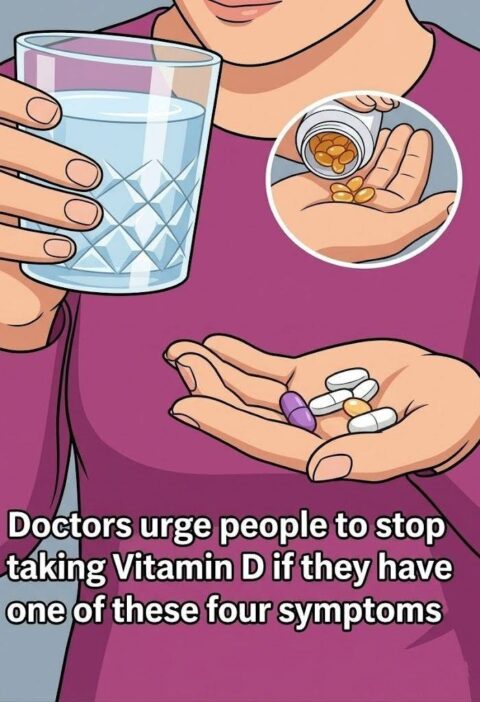
Headlines like “pharmacist warns anyone taking Vitamin D” usually refer to a real but often misunderstood point: Vitamin D is helpful, but it’s not harmless at high or unnecessary doses.
Here’s what pharmacists and clinicians are typically warning about:
☀️ What they’re concerned about with Vitamin D
1) Overdose (Vitamin D toxicity)
Vitamin D is fat-soluble, meaning it builds up in the body instead of leaving easily in urine.
Too much can cause hypercalcemia (high calcium levels), leading to:
- Nausea and vomiting
- Weakness and fatigue
- Confusion
- Irregular heartbeat in severe cases
2) Kidney damage or kidney stones
Excess calcium from too much vitamin D can:
- Increase risk of kidney stones
- Put stress on the kidneys over time
3) Taking it when you don’t need it
Many people take supplements without testing levels first. But:
- If your vitamin D is already normal, extra dosing may give no benefit
- Only certain groups truly need supplementation (low sun exposure, deficiency, certain medical conditions)
4) Dangerous high-dose “loading” without supervision
Some supplements contain very high IU doses (like 10,000 IU+). Without medical guidance, long-term use can be risky.
5) Drug interactions
Vitamin D can interact with:
- Diuretics (increase calcium risk)
- Steroids (reduce vitamin D levels)
- Certain heart medications (like digoxin—risk of rhythm issues if calcium rises)
6) Misleading “more is better” thinking
One of the biggest issues pharmacists highlight is the belief that:
If some vitamin D is good, more must be better
That is not true for fat-soluble vitamins.
🧠 Bottom line
Vitamin D is important for bone health, immunity, and muscle function—but:
- The safe range matters
- Testing before high-dose supplementation is ideal
- Long-term high dosing without monitoring is where problems start
If you want, I can tell you safe daily dosage ranges, or how to know if you might actually be vitamin D deficient based on symptoms and risk factors.