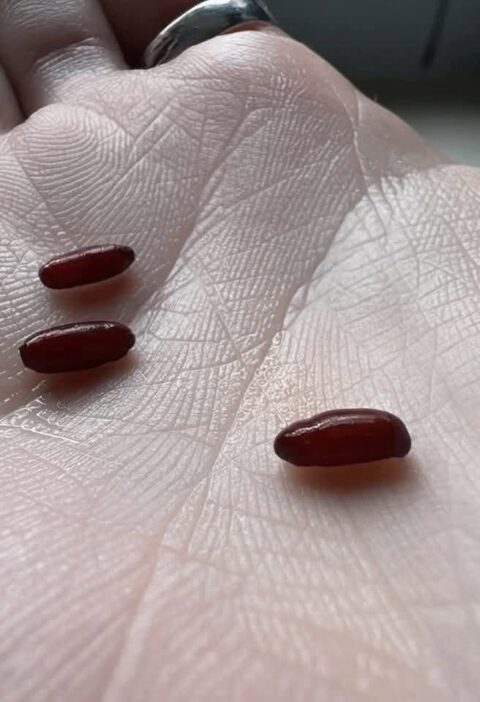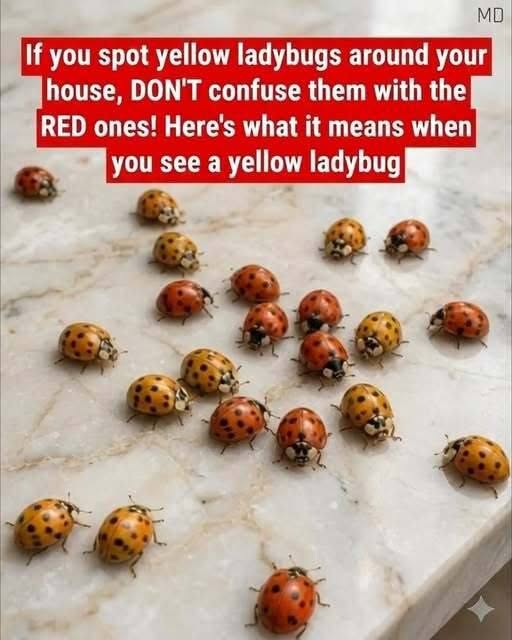
“Yellow ladybugs” are often just color variants of common ladybird beetles, most notably the Coccinellidae (ladybugs/ladybirds) family. They show up in gardens for a reason—and they can actually tell you something about your plants and ecosystem.
🐞 Why yellow ladybugs appear in gardens
1) Food supply (aphids and pests)
Ladybugs are predators. If you see them, your garden likely has soft-bodied pests like:
- aphids
- whiteflies
- mites
Yellow or pale ladybugs are still hunting the same prey as red ones.
2) Seasonal or species variation
Not all ladybugs are red with black spots. Some species naturally appear:
- yellow
- orange
- even black
Color can depend on species or genetic variation.
3) Mating and population growth
A sudden increase often means conditions are good—warm weather and abundant food.
4) Migration or shelter-seeking
They may move into gardens for:
- warmth
- overwintering
- protection from predators
🌿 What they can tell you about your plants
1) You likely have a pest population
Ladybugs are basically “natural pest control alarms.” Their presence often means aphids are nearby, even if you don’t notice them yet.
2) Your garden ecosystem is active
Seeing them usually indicates a healthy, biodiverse environment—not a sterile or over-sprayed one.
3) You may not need pesticides yet
Ladybugs are beneficial insects. If they’re present, they are already helping control pests naturally.
4) Plant stress signals
If aphids are present, plants may show:
- curled leaves
- sticky residue (honeydew)
- slow growth
⚠️ Important caution
Not all small yellow beetles are beneficial ladybugs. Some can be confused with:
- leaf beetles (plant-eating pests)
Correct identification matters because some similar-looking insects can actually damage plants instead of protecting them.
🌱 Bottom line
Yellow ladybugs are usually a good sign for pest control, but also a clue that your plants may already be dealing with aphids or similar insects. They’re more “garden helpers with a warning message” than a problem themselves.
If you want, you can describe or share what yours look like (spots, shape, size), and I can help confirm whether they’re beneficial ladybugs or plant pests.