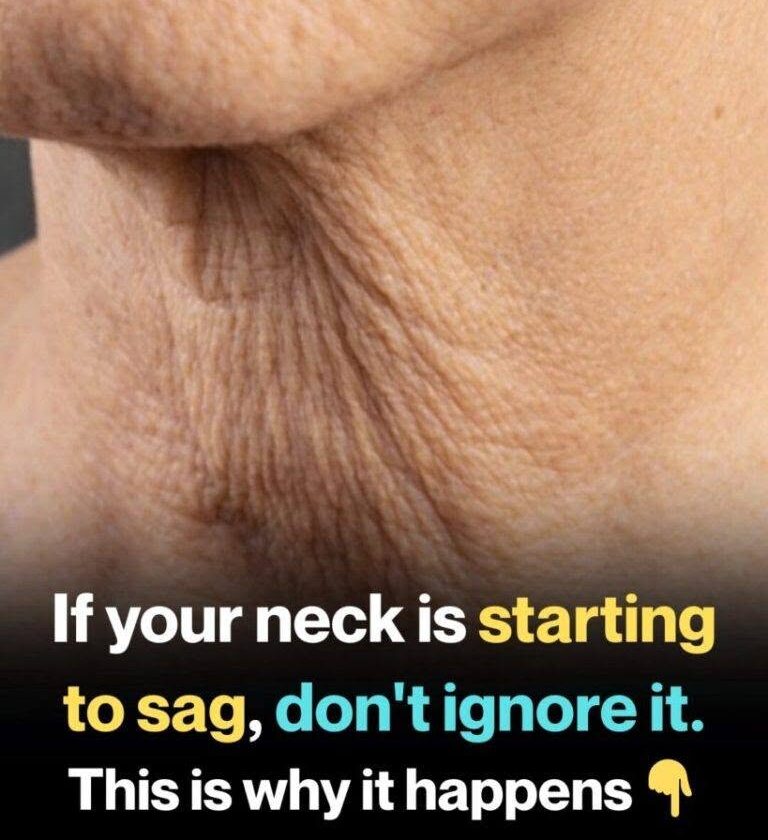
Neck skin naturally changes with age, but lifestyle and genetics also play a role. While no cream can completely reverse sagging, there are evidence-based ways to improve the appearance of the neck and slow further changes.
Why neck skin sags
- Loss of collagen and elastin: These proteins give skin its strength and elasticity. Production declines with age.
- Reduced fat and muscle changes: The distribution of fat changes over time, and the underlying neck muscles can become more prominent.
- Sun exposure: Years of ultraviolet (UV) exposure accelerate skin aging by damaging collagen and elastin.
- Genetics: Some people are simply more prone to developing loose neck skin.
- Smoking: Smoking speeds up skin aging by reducing blood flow and damaging collagen.
- Weight fluctuations: Repeatedly gaining and losing weight can contribute to looser skin.
What you can do
- Use sunscreen daily: Protecting your neck from UV rays helps prevent further collagen damage.
- Moisturize regularly: Moisturizers can improve the skin’s appearance and reduce dryness, though they won’t tighten loose skin.
- Consider products with retinoids: Prescription retinoids or some over-the-counter retinol products can stimulate collagen production over time. They should be introduced gradually and used with sunscreen.
- Maintain a healthy lifestyle: Eating a balanced diet, avoiding smoking, getting enough sleep, and exercising regularly support overall skin health.
- Medical treatments: Depending on the degree of sagging, a dermatologist or plastic surgeon may recommend treatments such as laser resurfacing, radiofrequency devices, ultrasound-based skin tightening, injectable treatments, or surgery. Results and suitability vary.
About “neck exercises”
Exercises can strengthen the muscles of the neck, but there is limited evidence that they significantly tighten loose skin. They may improve muscle tone but won’t replace collagen that’s been lost.
When to see a healthcare professional
If you notice a new lump, swelling, persistent pain, a rapidly changing skin lesion, or sudden changes in the appearance of your neck, it’s important to have it evaluated rather than assuming it’s due to aging.
Bottom line: Neck sagging is a normal part of aging driven largely by collagen loss, sun exposure, and genetics. Daily sun protection, a healthy lifestyle, and appropriate skincare can help, while medical procedures offer the most noticeable improvements for established skin laxity.