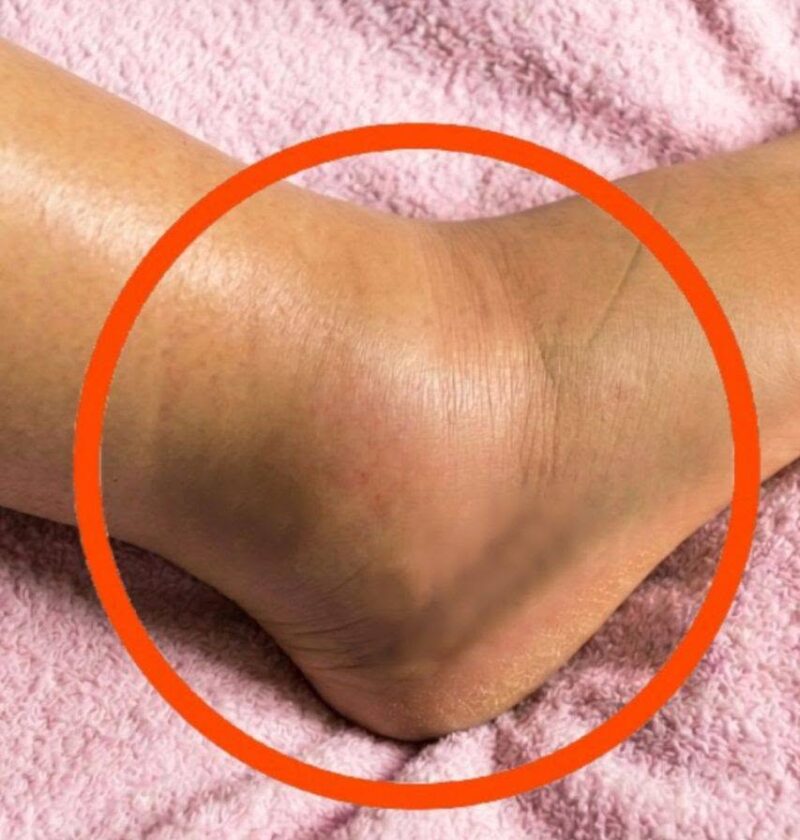
That kind of sentence is usually a clickbait health warning, and it’s incomplete on purpose. “Swollen legs” can mean many different things—some harmless, some serious—so it’s not safe to jump to one conclusion.
Swollen legs (edema) can be caused by:
1. Fluid retention (common, often mild)
- Standing or sitting too long
- Hot weather
- High salt intake
Usually improves with movement or elevating the legs.
2. Venous insufficiency (common in older adults)
- Veins don’t return blood efficiently
- Swelling worse at end of day
- Heaviness or aching in legs
3. Heart-related problems (important to rule out)
Weak heart pumping can cause fluid buildup in legs.
Related condition:
- Heart failure
Other signs may include:
- shortness of breath
- fatigue
- swelling in both legs
4. Kidney or liver issues
- Fluid balance problems
- Often swelling in legs + other symptoms
5. Medication side effects
Some drugs can cause swelling, especially:
- blood pressure medicines like amlodipine
- steroids
- anti-inflammatory drugs
6. Blood clot (urgent warning sign)
- Usually affects one leg
- Pain, redness, warmth
- Needs urgent medical care
When to worry urgently
Seek medical help if:
- swelling is sudden or one-sided
- you have chest pain or breathing trouble
- swelling is getting worse quickly
Bottom line
Swollen legs are a symptom, not a diagnosis. It can range from harmless fluid retention to serious heart, kidney, or circulation problems.
If you want, tell me:
- one leg or both
- pain or no pain
- how long it’s been happening
I can narrow it down more accurately.