Atorvastatin is a widely prescribed medication used to lower cholesterol and reduce the risk of heart disease and stroke.
It belongs to a group of drugs called statins, which work by reducing the amount of cholesterol your liver produces.
🫀 Why doctors prescribe atorvastatin
Doctors commonly prescribe it to:
- Lower LDL (“bad”) cholesterol
- Raise or stabilize overall cholesterol balance
- Reduce risk of heart attack
- Reduce risk of Stroke
- Protect people with existing heart or artery disease
⚙️ How it works (simple explanation)
- Your liver makes cholesterol naturally
- Atorvastatin blocks an enzyme involved in cholesterol production
- This lowers harmful cholesterol levels in the blood
- Less cholesterol → less plaque buildup in arteries
👨⚕️ Who usually takes it?
It’s commonly prescribed for people with:
- High cholesterol (even without symptoms)
- Diabetes (higher heart risk)
- High blood pressure plus other risk factors
- History of heart attack or stroke
- Family history of early heart disease
💊 Benefits beyond cholesterol
Atorvastatin doesn’t just lower numbers—it also:
- Stabilizes artery plaque (prevents rupture)
- Reduces inflammation in blood vessels
- Lowers long-term cardiovascular risk
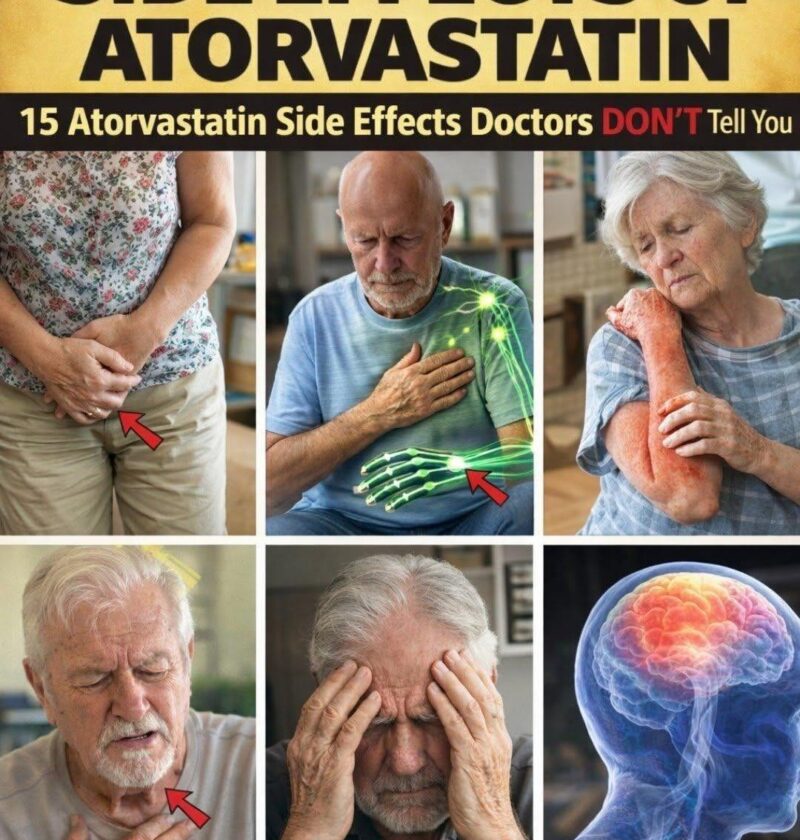
⚠️ Possible side effects (not everyone gets them)
Most people tolerate it well, but possible effects include:
- Muscle aches or weakness
- Mild digestive upset
- Headache
- Rarely, liver enzyme changes
Serious side effects are uncommon but should be checked by a doctor.
🧠 Bottom line
Atorvastatin is one of the most commonly used heart-protective medications worldwide because it significantly reduces the risk of heart attack and stroke in people with high cholesterol or high cardiovascular risk.
If you want, I can explain how atorvastatin compares with other statins or whether it should be taken at night or morning.