| Category | Systolic (top number) | Diastolic (bottom number) |
|---|---|---|
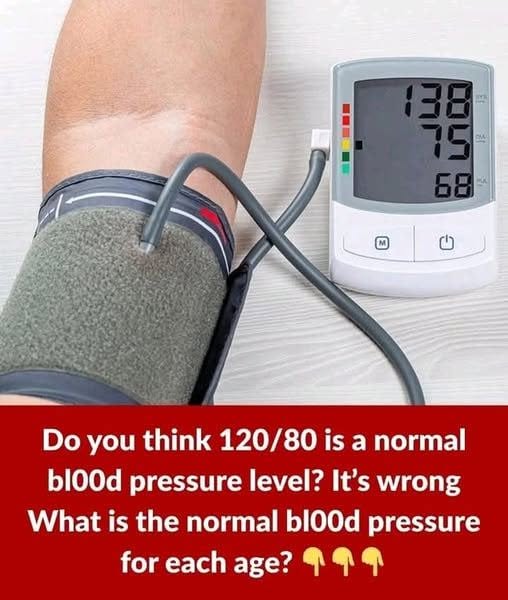
| Normal | Less than 120 | and less than 80 |
| Elevated | 120–129 | and less than 80 |
| High blood pressure (Stage 1) | 130–139 | or 80–89 |
| High blood pressure (Stage 2) | 140 or higher | or 90 or higher |
| Hypertensive crisis* | 180 or higher | and/or 120 or higher |
*A reading this high, especially if accompanied by symptoms such as chest pain, severe headache, shortness of breath, confusion, or vision changes, requires immediate medical evaluation.
Does blood pressure normally rise with age?
Blood pressure often does increase as people get older, but that doesn’t mean higher values become “normal” or desirable. Keeping blood pressure in the healthy range helps reduce the risk of heart attack, stroke, kidney disease, and other complications at any age.
What is a good target?
For many adults, a blood pressure below 120/80 mmHg is considered optimal. If you have high blood pressure, diabetes, kidney disease, or other medical conditions, your healthcare provider may recommend a specific target based on your individual health.
If you tell me your:
- Age
- Blood pressure reading (for example, 135/85)
- Whether you’re taking blood pressure medication
I can help interpret what that reading means in your situation.