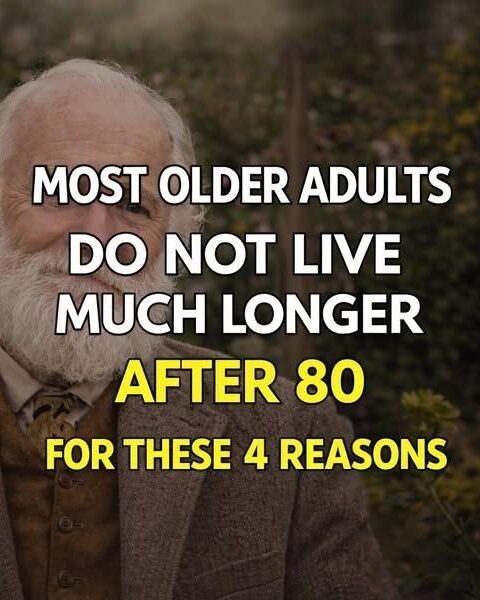
That headline is mixing a real scientific curiosity with a lot of speculation about diet and longevity.It likely refers to studies of supercentenarians—people who live past 110—such as a 117-year-old woman whose DNA and lifestyle were analyzed to understand why she lived so long. One famous case often discussed in this context is Maria Branyas Morera, who lived to 117 and became the focus of aging research.
🧬 What researchers actually found
In studies of very long-lived people, scientists look at:
- 🧬 Genetics (DNA)
Some people have gene variants linked to slower cellular aging, better cholesterol metabolism, or stronger immune control. - 🦠 Gut microbiome
Some supercentenarians have gut bacteria profiles similar to younger people. - 🧠 Inflammation levels
Many show unusually low chronic inflammation (“inflammaging”).
🥗 The “food that helps you live longer” angle
There is no single miracle food discovered in DNA research, but patterns show up repeatedly:
Common dietary habits linked to longevity:
- 🫒 Mediterranean-style eating (olive oil, vegetables, legumes)
- 🐟 Moderate fish intake
- 🥜 Nuts and seeds
- 🥦 High fiber from vegetables and whole grains
- 🍵 Polyphenol-rich foods (tea, fruits, herbs)
These patterns are often associated with regions known as “Blue Zones.”
⚠️ What the article usually exaggerates
Headlines often imply:
- “One food explains extreme longevity” ❌
- “DNA proves a specific diet causes long life” ❌
But in reality:
- Longevity is multi-factorial (genes + lifestyle + environment + luck)
- Diet is just one piece of a much bigger system
🧠 Bottom line
Research on people like Maria Branyas Morera shows:
- No single “longevity food” exists
- But plant-rich, minimally processed diets consistently appear in long-lived populations
If you want, I can break down the exact daily diet patterns of supercentenarians (what they actually eat in a typical day)—that’s much more useful than headline claims.