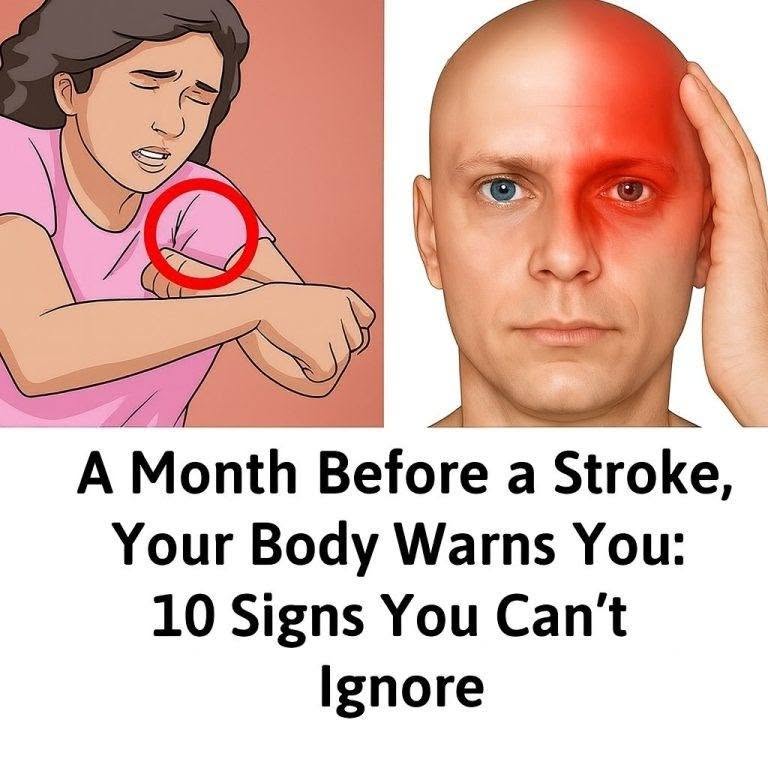
Here are symptoms that can occur minutes, hours, or sometimes days before a stroke, especially if they’re caused by a Transient Ischemic Attack (often called a “mini-stroke”):
- Sudden weakness or numbness, especially on one side of the face, arm, or leg.
- Sudden difficulty speaking or understanding speech.
- Sudden vision loss or blurred vision in one or both eyes.
- Sudden dizziness, loss of balance, or trouble walking.
- A sudden, severe headache with no known cause (more common with bleeding strokes).
- Sudden confusion.
- Drooping on one side of the face.
- Difficulty swallowing.
- Sudden clumsiness or loss of coordination.
- Brief episodes of these symptoms that resolve on their own (possible TIA).
The key thing to remember is FAST, which helps recognize the most common stroke symptoms:
- Face: Does one side droop?
- Arms: Does one arm drift downward when both are raised?
- Speech: Is speech slurred or strange?
- Time: If any of these signs are present, call emergency medical services immediately.
Some social media posts claim that symptoms such as fatigue, poor sleep, leg cramps, or waking at certain times of night are reliable “one-month warning signs” of stroke. Those claims are not supported by strong medical evidence and should not be relied on to predict a stroke.
If someone experiences any sudden stroke symptoms—even if they disappear after a few minutes—it’s a medical emergency. A TIA is a major warning sign because the risk of a full stroke is highest in the hours and days afterward, and prompt evaluation can reduce that risk.
If you’re asking because you or someone else is currently having symptoms like facial drooping, arm weakness, or trouble speaking, seek emergency medical care immediately rather than waiting to see if they improve.