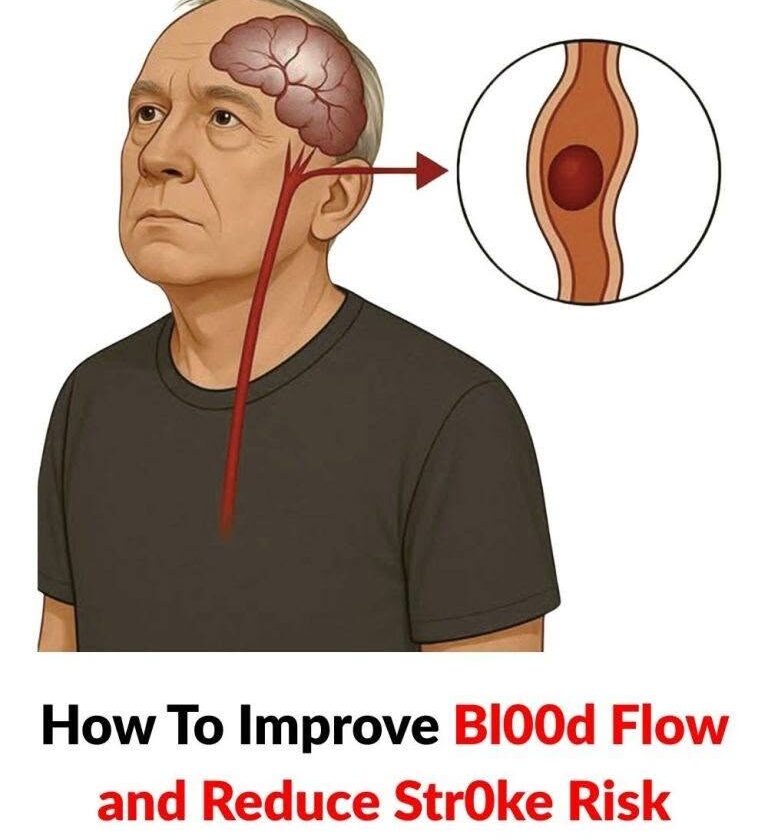
The idea is basically solid—regular movement improves circulation and lowers stroke risk—but no exercise can guarantee prevention. Stroke risk is influenced by things like blood pressure, diabetes, smoking, and cholesterol as well.
Here are 5 simple, safe exercises that help improve blood flow and overall cardiovascular health:
1. 🚶 Walking (best all-round option)
- 20–40 minutes daily
- Improves heart function and circulation
- Helps control blood pressure and weight
Even a brisk walk in your neighborhood or home pacing counts.
2. 🦶 Calf raises
- Stand and slowly rise onto your toes
- Hold 2–3 seconds, lower down
- Repeat 10–15 times
This helps push blood back from legs toward the heart, improving circulation.
3. 🪑 Seated leg lifts
- Sit on a chair
- Lift one leg straight, hold 5 seconds
- Switch legs, repeat 10–15 times
Good for people with limited mobility and helps prevent blood pooling.
4. 🔄 Shoulder rolls and neck movements
- Roll shoulders forward and backward
- Slowly turn head side to side
Improves blood flow to the upper body and reduces stiffness from sitting.
5. 🧘 Gentle stretching or yoga
- Simple stretches like reaching arms overhead, forward bends, or cat-cow stretch
- Improves flexibility and circulation
Even 10 minutes a day helps.
🧠 Why these help stroke prevention
These exercises support:
- Healthy blood pressure
- Better blood vessel function
- Reduced risk of clot formation due to inactivity
They complement lifestyle habits that matter more, such as:
- Not smoking
- Controlling blood pressure
- Eating a balanced diet
- Managing diabetes
⚠️ Important note
If someone has heart disease, previous stroke, or dizziness, they should start slowly and consult a healthcare professional before increasing activity.
✔️ Bottom line
Exercise helps reduce stroke risk, but the biggest impact comes from consistent movement + managing medical risk factors, not any single routine.
If you want, I can tailor a 10-minute daily routine specifically for older adults or high blood pressure patients.