How atorvastatin works
Atorvastatin works mainly by blocking an enzyme in the liver that is needed to make cholesterol. This causes the liver to remove more Low-density lipoprotein (LDL) cholesterol (“bad cholesterol”) from the blood. It can also:
- Lower triglyceride levels
- Slightly increase High-density lipoprotein (HDL) cholesterol (“good cholesterol”)
- Help slow the buildup of fatty plaques in arteries
Why it is commonly prescribed
Doctors commonly prescribe atorvastatin to:
- Treat high cholesterol (especially high LDL cholesterol)
- Reduce the risk of heart attack and stroke in people with increased cardiovascular risk
- Help people with conditions such as Atherosclerosis (narrowing of arteries due to plaque buildup)
- Provide prevention for people with diabetes, high blood pressure, smoking history, or other risk factors for heart disease
It is widely used because it is effective, well-studied, and can lower LDL cholesterol substantially, especially at higher doses.
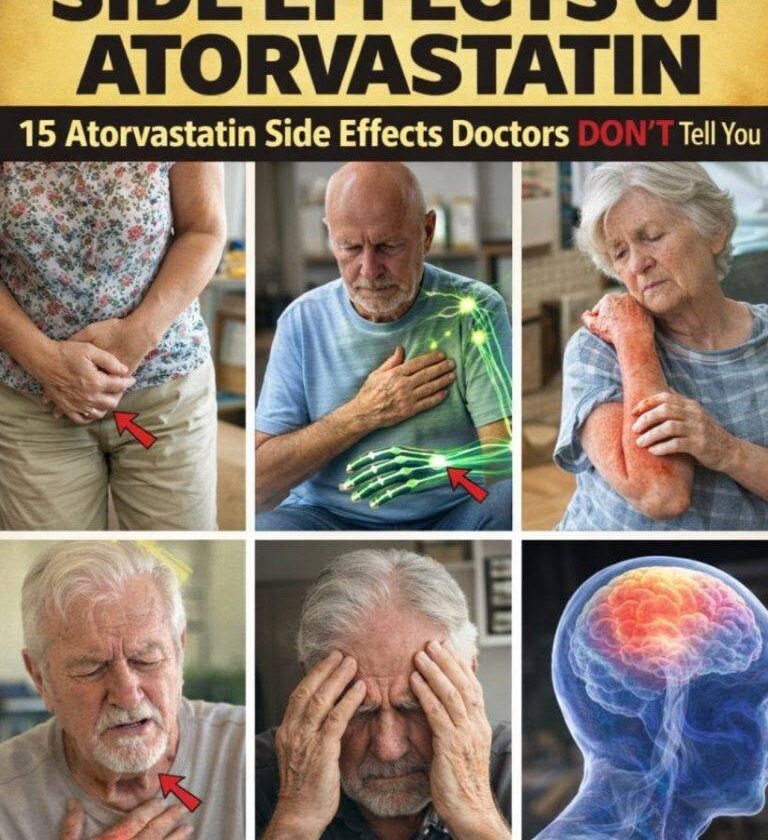
Common side effects
Many people take atorvastatin without major problems, but possible side effects include:
- Muscle aches or weakness
- Headache
- Nausea or digestive discomfort
- Mild increases in liver enzymes on blood tests
A rare but serious side effect is severe muscle injury (Rhabdomyolysis), which may cause severe muscle pain, weakness, or dark-colored urine and requires urgent medical attention.
Important considerations
- Take it exactly as prescribed; it is usually taken once daily.
- It is often combined with lifestyle changes such as a heart-healthy diet, exercise, and weight management.
- Doctors may check cholesterol levels and sometimes liver enzymes during treatment.
- It can interact with certain medicines, including some antibiotics, antifungal medicines, and other drugs that affect liver enzymes.
- It should not be used during pregnancy because cholesterol-lowering effects may harm fetal development.
If you are taking atorvastatin, the appropriate dose depends on your cholesterol levels, age, medical history, and overall risk of heart disease. Do not stop it without discussing it with your healthcare professional, because the protective benefit may be lost.