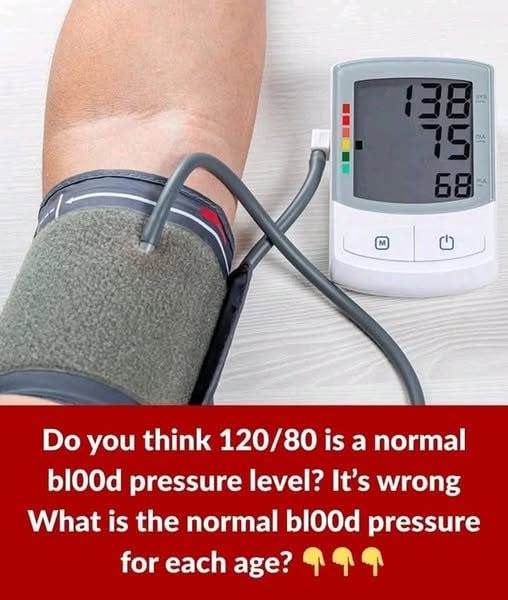
Blood pressure does not have different normal values for each age in adults. The same general target applies to most healthy adults.
Here’s a simple guide:
| Age | Normal Blood Pressure |
|---|---|
| Newborn (0–1 month) | 60–90 / 20–60 mmHg |
| Infant (1–12 months) | 80–100 / 55–65 mmHg |
| Toddler (1–3 years) | 90–105 / 55–70 mmHg |
| Preschool (3–5 years) | 95–110 / 60–75 mmHg |
| School-age (6–12 years) | 97–120 / 57–80 mmHg |
| Teen (13–17 years) | Less than 120/80 mmHg is generally considered normal |
| Adults (18 years and older) | Less than 120/80 mmHg |
For adults, blood pressure is classified as:
- Normal: Less than 120/80 mmHg
- Elevated: 120–129 / Less than 80 mmHg
- High Blood Pressure (Stage 1): 130–139 or 80–89 mmHg
- High Blood Pressure (Stage 2): 140/90 mmHg or higher
- Hypertensive crisis: 180/120 mmHg or higher (seek immediate medical care)
It’s common for blood pressure to rise slightly with age, but higher blood pressure is not considered “normal” just because someone is older. Older adults generally have the same treatment goals, although individual targets may vary based on overall health and other medical conditions.
If you’d like, I can also provide a blood pressure chart by age and sex for children and teenagers, where normal ranges vary more specifically.