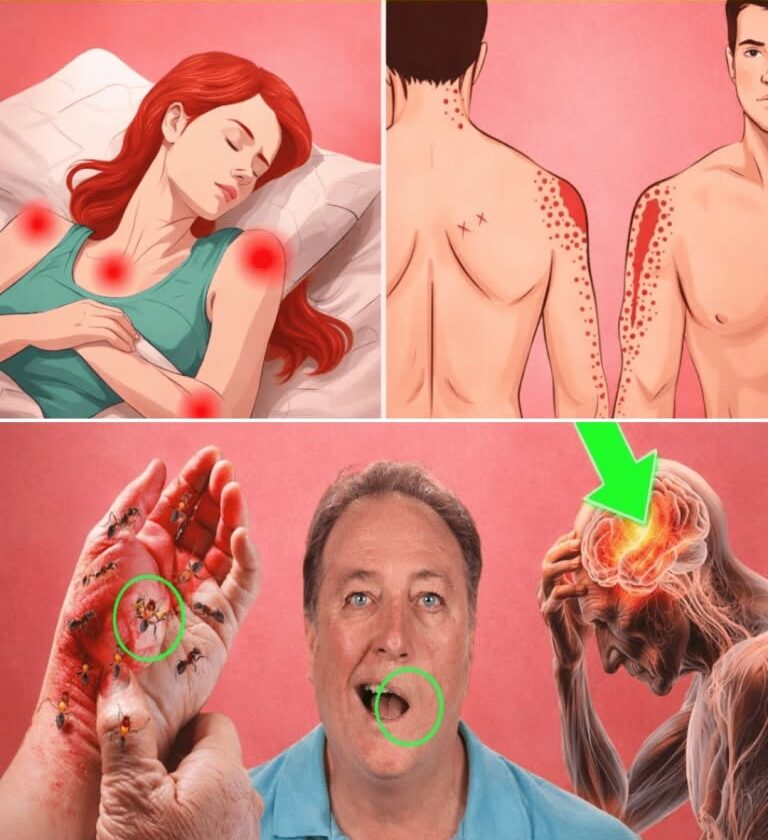
A headline like this is common online, but it needs some context: strokes often happen suddenly, and there is no guaranteed set of symptoms that appears exactly one week before a stroke. However, some people experience warning signs of a transient ischemic attack (TIA)—sometimes called a “mini-stroke”—hours, days, or occasionally longer before a major stroke. A TIA is a medical emergency because it can be a warning that a stroke may follow.
Possible warning signs seniors and caregivers should take seriously include:
- Sudden weakness or numbness
- Especially on one side of the face, arm, or leg.
- Sudden trouble speaking or understanding speech
- Slurred speech, confusion, or difficulty finding words.
- Sudden vision changes
- Blurred vision, loss of vision in one eye, or double vision.
- Sudden dizziness or loss of balance
- Trouble walking, coordination problems, or unexplained falls.
- Sudden severe headache
- Especially a “worst headache ever” or one with neurological symptoms.
- Episodes of confusion or unusual behavior
- New problems with thinking, awareness, or alertness.
- Temporary symptoms that disappear
- Symptoms that last minutes and then resolve can still be a TIA and require urgent evaluation.
- New difficulty swallowing
- Trouble moving food or liquids safely can be a neurological warning sign.
- Unusual fatigue or weakness
- Persistent, unexplained weakness can sometimes accompany health problems, though it is not specific to stroke.
A simple way to remember stroke warning signs is FAST:
- F — Face: Is one side of the face drooping?
- A — Arms: Is one arm weak or numb?
- S — Speech: Is speech strange or difficult?
- T — Time: Call emergency services immediately if these occur.
If someone has sudden stroke-like symptoms—even if they go away—seek emergency medical care rather than waiting to see if they return. Early treatment can greatly affect outcomes.