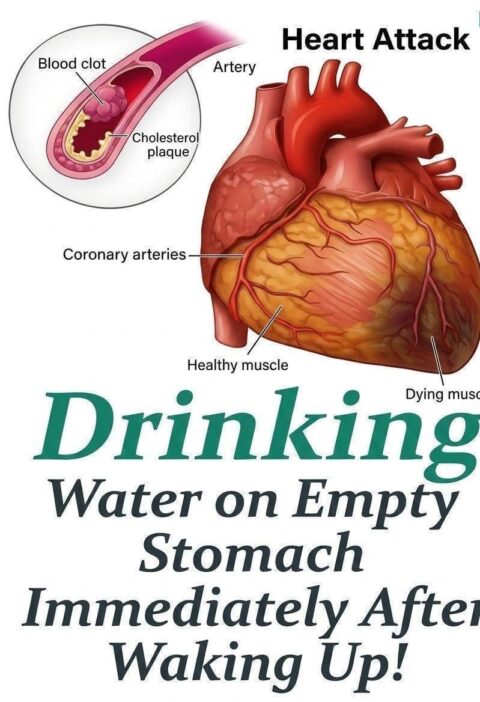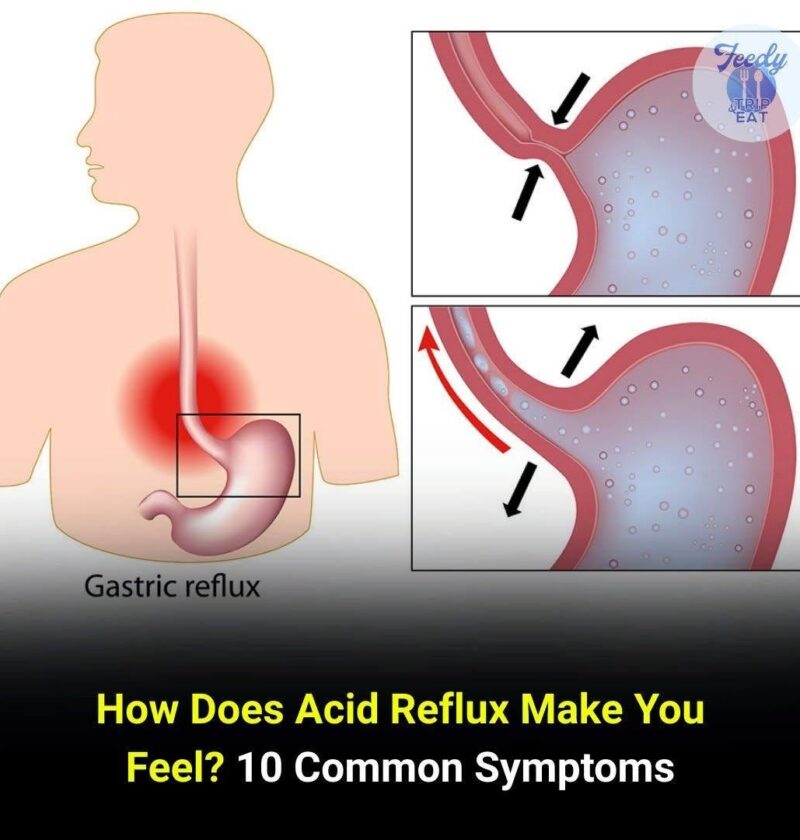
A burning feeling in the chest is a common symptom of acid reflux (gastroesophageal reflux disease, or GERD), which happens when stomach acid flows back into the esophagus. However, chest burning can also be a sign of heart problems, so it’s important not to assume every case is reflux.
10 possible symptoms of acid reflux
- Heartburn
- A burning sensation behind the breastbone, often after eating.
- Acid taste in the mouth
- Sour, bitter, or acidic fluid coming up into the throat.
- Regurgitation
- Feeling food or liquid coming back up.
- Chest discomfort
- Burning or pressure-like discomfort that may worsen when lying down.
- Difficulty swallowing
- Feeling like food is stuck or moves slowly.
- Chronic cough
- A cough that may be worse at night or after meals.
- Sore throat or hoarseness
- Acid irritation can affect the throat and voice.
- Frequent throat clearing
- A sensation of mucus or irritation in the throat.
- Bloating or belching
- Increased gas and burping can occur with reflux.
- Symptoms that worsen after certain foods
- Common triggers include fatty foods, spicy foods, chocolate, caffeine, alcohol, and large meals.
Seek urgent medical care if chest burning is:
- New, severe, or feels like pressure/tightness
- Associated with shortness of breath, sweating, nausea, dizziness, or pain spreading to the arm, jaw, back, or shoulder
- Occurring with a history of heart disease or significant risk factors
Helpful habits for mild reflux:
- Avoid lying down for 2–3 hours after eating
- Eat smaller meals
- Elevate the head of the bed if symptoms occur at night
- Identify and reduce personal trigger foods
- Maintain a healthy weight if needed
If you describe where the burning is, when it happens (after meals, at night, during activity), and your age, I can help you think through whether it sounds more like reflux or something that needs quicker evaluation.