Why Cassava Can Be Dangerous — and How to Prepare It Safely
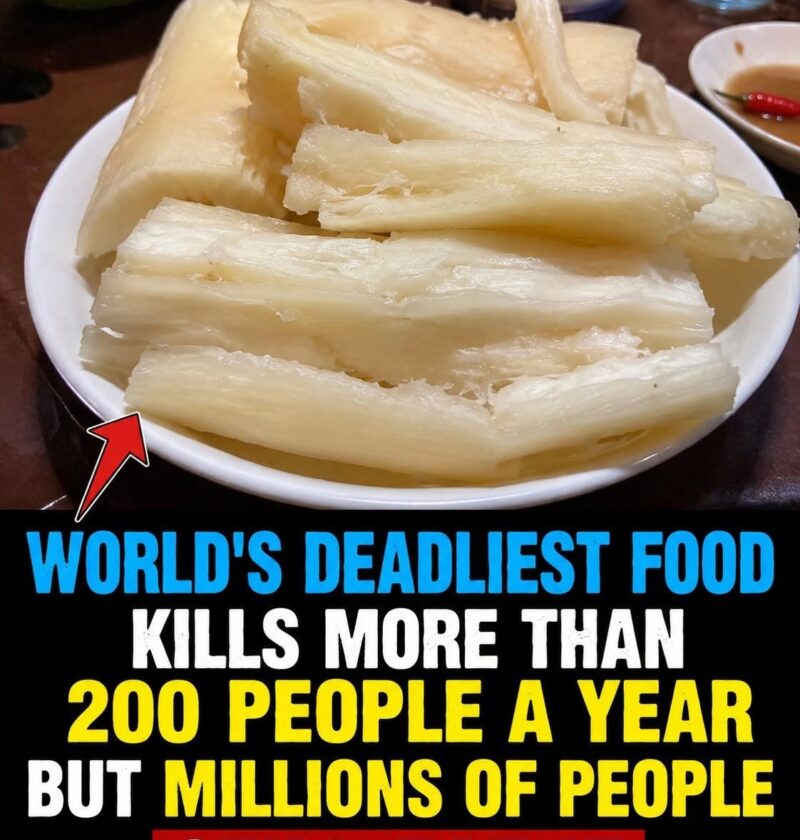
Cassava (also called manioc or yuca) is a major food crop eaten by hundreds of millions of people worldwide. It is nutritious and provides a valuable source of carbohydrates, but raw or improperly prepared cassava can be harmful because some varieties contain naturally occurring cyanogenic compounds that can release cyanide.
Why cassava can be risky
- Raw cassava contains cyanogenic glycosides, which the body can convert into cyanide.
- Eating large amounts of improperly processed cassava may cause cyanide poisoning, which can lead to symptoms such as:
- Headache
- Dizziness
- Nausea and vomiting
- Weakness
- Difficulty breathing
- In severe cases, seizures or life-threatening illness
- Long-term exposure to poorly processed cassava has also been linked to certain health problems, especially where cassava is a major dietary staple.
How to prepare cassava safely
✅ Peel it thoroughly
The highest levels of these compounds are often found near the skin.
✅ Cut it into pieces
Smaller pieces allow harmful compounds to be removed more effectively.
✅ Soak when appropriate
Traditional methods may include soaking cassava in water for hours or days before cooking.
✅ Cook it thoroughly
Boiling, frying, baking, or other heat treatments help reduce harmful compounds.
✅ Discard cooking water
When boiling cassava, it is safer not to reuse the water.
Important tips
- Never eat raw cassava.
- Use properly processed cassava products such as cassava flour, tapioca, or commercially prepared cassava foods from reliable sources.
- Bitter cassava varieties generally contain more cyanogenic compounds and require more careful processing.
When prepared correctly, cassava is a safe and widely enjoyed food used in dishes across Africa, Asia, the Caribbean, and South America. The danger comes from improper preparation—not from cassava itself.