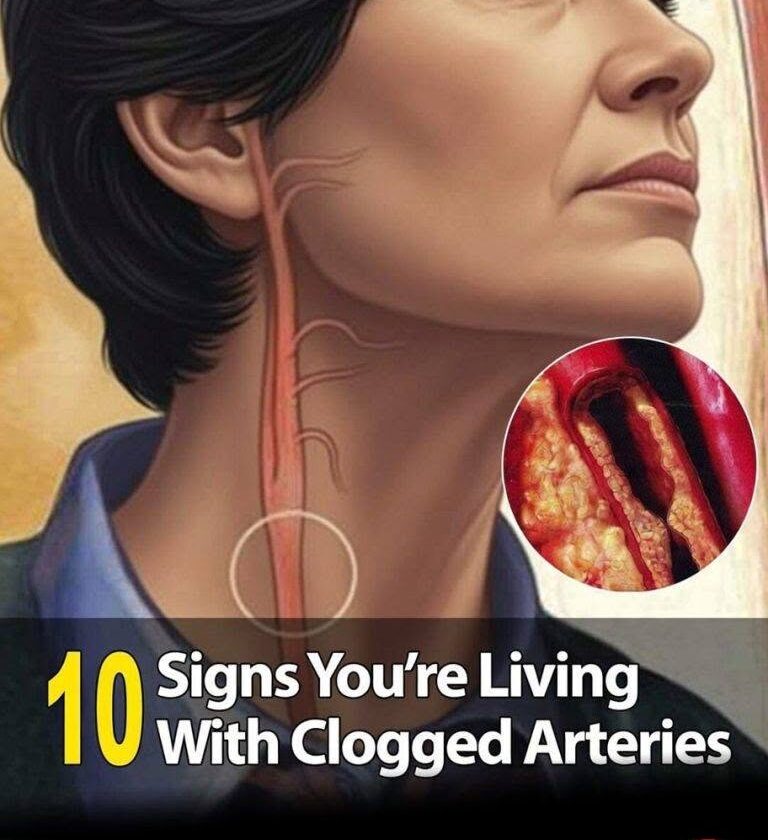
Blocked arteries (often caused by atherosclerosis, a buildup of fatty plaques inside blood vessels) can develop slowly and may not cause symptoms until blood flow becomes significantly reduced. Some warning signs should be taken seriously.
10 possible indicators of blocked arteries:
- Chest pain or pressure (angina)
- A feeling of squeezing, heaviness, tightness, or discomfort in the chest, especially during activity or stress.
- Shortness of breath
- Feeling unusually breathless during normal activities can occur when the heart is not getting enough oxygen.
- Pain spreading to other areas
- Discomfort may spread to the arm (especially the left arm), shoulder, neck, jaw, back, or upper stomach.
- Unusual fatigue
- Extreme tiredness, especially with activity, can sometimes be a sign of reduced heart function.
- Dizziness or fainting
- Reduced blood flow to the heart or brain can contribute to lightheadedness or passing out.
- Leg pain while walking (claudication)
- Cramping or pain in the calves, thighs, or hips during walking that improves with rest may indicate peripheral artery disease.
- Coldness or numbness in the legs or feet
- Poor circulation can cause reduced warmth, tingling, or changes in skin color.
- Slow-healing wounds
- Sores on the feet or legs that heal slowly may be linked to reduced blood flow.
- Heart rhythm changes or palpitations
- Some people experience unusual awareness of their heartbeat, though this can have many causes.
- Erectile dysfunction in men
- In some cases, reduced blood flow from artery disease can contribute to erection problems.
Seek urgent medical help if you have:
- New or severe chest pressure/pain.
- Chest discomfort with sweating, nausea, shortness of breath, or pain spreading to the arm, jaw, or back.
- Sudden weakness, facial drooping, trouble speaking, or confusion (possible stroke signs).
Ways to lower artery disease risk:
✅ Control blood pressure and cholesterol
✅ Avoid smoking
✅ Exercise regularly
✅ Eat a heart-healthy diet (more vegetables, fruits, whole grains, and healthy fats)
✅ Manage diabetes if present
✅ Maintain a healthy weight
Remember: blocked arteries cannot be diagnosed by symptoms alone. Doctors may use tests such as blood tests, ECGs, ultrasound scans, stress tests, or other imaging depending on the situation.