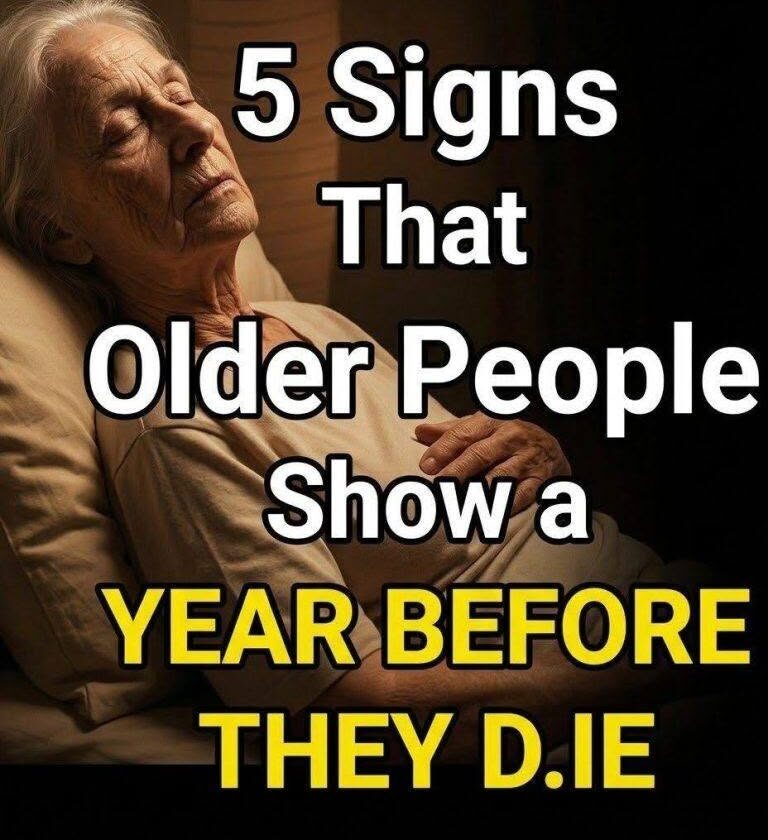
Posts about “signs someone is in their last year of life” can be emotionally difficult, and many online versions overstate or misinterpret normal aging changes. No single symptom can predict that a person has exactly one year left. Only a healthcare professional can assess someone’s overall condition and likely outlook.
That said, in people with advanced illness or significant frailty, some changes that may suggest a person’s health is declining include:
- Increasing weakness and loss of independence
- Needing more help with bathing, dressing, eating, or moving around.
- Reduced appetite and weight loss
- Eating and drinking less can occur in advanced illness, though many other conditions can also cause this.
- More time sleeping or less energy
- Increased fatigue, longer naps, or reduced interest in activities.
- Declining ability to communicate or think clearly
- More confusion, withdrawal, or changes in alertness may occur with some serious illnesses.
- Frequent hospital visits or worsening medical problems
- Repeated infections, worsening heart/lung disease, advanced cancer, or other chronic conditions can indicate declining health.
These signs are not proof that death is near. Some causes—such as infections, medication side effects, depression, dehydration, or treatable medical problems—can sometimes be improved.
If an older person has a noticeable decline, a medical evaluation can help identify what is happening and provide support, comfort, and appropriate care planning. If the concern is about a specific person, their age, diagnoses, and recent changes would help put the signs into context.