PART 1: Why Some Stains Refuse to Come Out (and What Actually Works)
Focus Keywords: stubborn stain removal, how to remove set-in stains, deep cleaning stains at home, enzyme cleaner alternative, fabric stain removal tips, bathroom stain cleaning guide
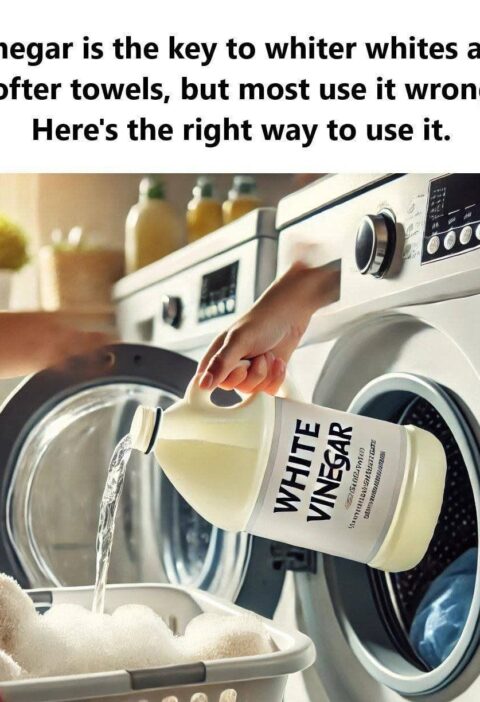
Understanding Why Vinegar and Baking Soda Didn’t Work
A lot of DIY cleaning advice online suggests vinegar and baking soda for everything. The problem is:
- Vinegar (acidic) works best on mineral deposits (like limescale or rust lightening)
- Baking soda (mild abrasive + deodorizer) helps with odors and surface dirt
- Neither breaks down protein, oil, or biological stains effectively
So if your stain is from things like:
- sweat
- food oils
- bodily fluids
- mold
- urine or organic residue
…then you actually need enzymatic or oxidizing cleaning action, not just acid + base reactions.
Step 1: Identify the Type of Stain (This Changes Everything)
Before choosing a method, try to categorize it:
1. Organic / Biological Stains
Examples: sweat, urine, food, blood, vomit
👉 Best treatment: enzyme-based cleaner or oxygen bleach
2. Grease or Oil Stains
Examples: cooking oil, lotion, skin oils
👉 Best treatment: dish soap + hot water or degreaser
3. Mineral Stains
Examples: hard water, rust, soap scum
👉 Best treatment: vinegar or citric acid (your vinegar use fits here)
4. Unknown Deep Set Stains
👉 Best treatment: oxygen bleach soak or peroxide-based cleaning
Step 2: The Most Effective “Reset” Method (Works on Most Stains)
If you’ve already tried vinegar and baking soda separately, stop mixing them together now and try this instead:
Oxygen-Based Deep Clean Method
This is the closest home alternative to professional stain removers.
- Use oxygen bleach powder (sodium percarbonate)
- Mix with warm water
- Soak the stained area or item
It releases oxygen bubbles that break down organic stain molecules deep inside fibers or surfaces.
This is widely used for:
- mattresses
- clothes
- grout
- carpets
- plastic surfaces
Step 3: Why Scrubbing Alone Makes It Worse
Many people scrub hard when they see a stain, but that can:
- Push the stain deeper into fabric
- Spread it wider
- Damage fibers so they trap more dirt
Instead, the correct approach is:
👉 “Soak → Break down → Lift → Rinse”
Not:
👉 “Scrub immediately”
Step 4: If It’s a Fabric or Mattress Stain
This is the most common scenario people hide.
Try this sequence:
- Blot (don’t rub) with dry cloth
- Apply dish soap + warm water mix
- Let sit 10–15 minutes
- Dab gently
- If still visible → oxygen bleach solution
For mattresses:
- Avoid soaking too much water
- Use spray + blot method
- Dry with fan or sunlight
Step 5: If It’s Bathroom or Tile Staining
For tiles, grout, or bathroom surfaces:
- Use hydrogen peroxide (3%)
- Let sit 10–20 minutes
- Scrub lightly with brush
- Rinse with warm water
For stubborn soap scum:
- Use dish soap + hot water first
- Then peroxide or commercial descaler
Step 6: What NOT to Do (Common Mistakes)
Avoid these combinations:
- ❌ Vinegar + baking soda for deep stains (neutralizes each other)
- ❌ Bleach + vinegar (dangerous gas risk)
- ❌ Over-scrubbing delicate fabrics
- ❌ Leaving stain wet for too long without treatment
Step 7: Why Some Stains Never Fully Disappear
Sometimes stains are not just “on” the surface—they are:
- chemically bonded to fibers
- oxidized over time
- heat-set (from ironing or hot washing)
In these cases, you can:
- lighten them significantly
- but not always fully remove them without professional cleaning
Simple Reality Check
If vinegar and baking soda didn’t work, it doesn’t mean you failed—it usually just means:
👉 the stain is not acid/base-reactive
👉 it needs enzymatic or oxidizing breakdown
Source
- Environmental Protection Agency (EPA) guidance on household cleaning agents and safe chemical use
- Consumer Reports cleaning science insights on stain chemistry and removal methods
- University Extension household hygiene and fabric care recommendations
PART 2: Simple Stain Removal Fix (Quick Method)
Fast Deep Stain Lift Solution (Home Method)
Ingredients:
- 2 tablespoons dish soap
- 1 cup warm water
- 1 teaspoon hydrogen peroxide (optional but powerful)
- Clean cloth or sponge
Method:
- Mix dish soap with warm water.
- Apply directly to stain.
- Let sit for 10–15 minutes.
- Blot gently with cloth (don’t scrub hard).
- If stain remains, add hydrogen peroxide and repeat once.
- Rinse with clean water and air dry.
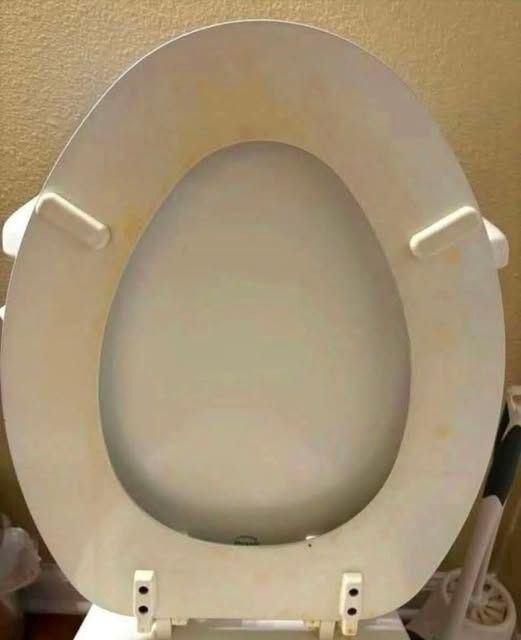
If you want, tell me what the stain actually is (fabric, mattress, toilet, carpet, etc.), and I’ll give you a laser-specific fix that works much faster than general methods.