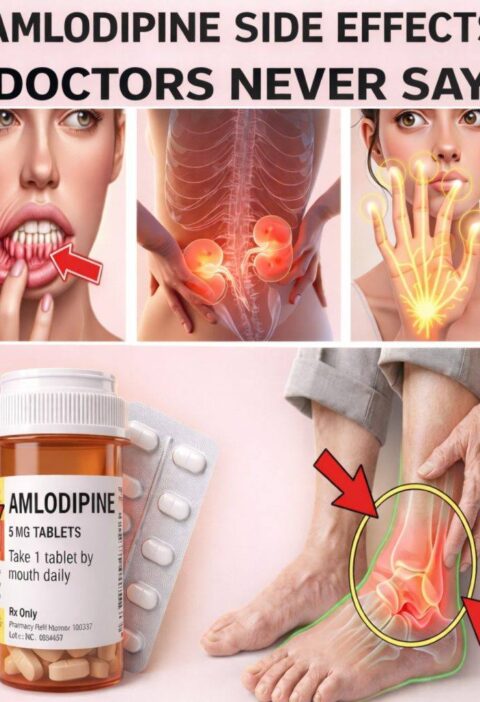
Amlodipine is a calcium channel blocker commonly used to treat high blood pressure (hypertension) and some types of chest pain (angina). It is generally well tolerated, but certain habits can make side effects more likely or interfere with managing your condition.
8 habits to reconsider while taking amlodipine
1. Stopping amlodipine suddenly
- Do not stop taking it without medical advice.
- Blood pressure may rise again, increasing strain on the heart and blood vessels.
2. Eating too much salt
- High sodium intake can raise blood pressure and make it harder for amlodipine to control it.
- Limit heavily processed foods, salty snacks, and excessive added salt.
3. Drinking too much alcohol
- Alcohol can lower blood pressure further in some people and may increase dizziness or lightheadedness.
- It can also make blood pressure control more difficult.
4. Ignoring ankle or leg swelling
- Swollen ankles or feet are a relatively common side effect of amlodipine.
- Tell your healthcare provider if swelling is persistent, severe, or worsening.
5. Not checking your blood pressure
- You may feel fine while blood pressure is still high.
- Regular monitoring helps you and your healthcare provider know whether treatment is working.
6. Becoming inactive
- Regular movement, such as walking or other appropriate exercise, supports heart health and improves blood pressure control.
- Start gradually if you have been inactive.
7. Smoking or using tobacco products
- Smoking damages blood vessels and increases cardiovascular risk, working against blood pressure treatment.
8. Ignoring medication interactions
- Always tell your healthcare provider about other medicines, supplements, or herbal products you use.
- Some substances may affect blood pressure or increase side effects.
Contact a healthcare professional if you experience:
- Severe dizziness or fainting
- New or worsening chest pain
- Rapid or unusual heartbeat
- Significant swelling
- Signs of an allergic reaction (such as facial swelling or trouble breathing)
Amlodipine works best when combined with healthy habits: a balanced diet, regular activity, good sleep, and taking the medication exactly as prescribed.