The Vitamin the Body May Lack When Legs and Bones Are Painful
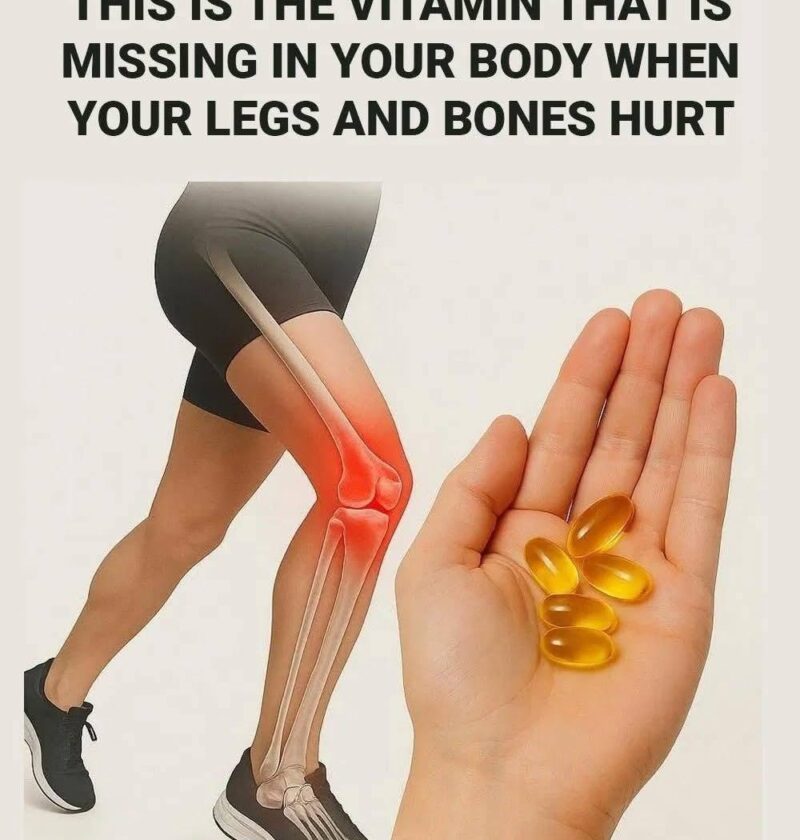
Pain in the legs and bones can have many different causes, including overuse, injuries, arthritis, poor circulation, nerve disorders, and certain nutrient deficiencies. One vitamin that is commonly associated with bone pain and muscle weakness is vitamin D.
Vitamin D plays an essential role in helping the body absorb calcium and phosphorus—two minerals that are necessary for building and maintaining strong bones. When vitamin D levels are too low, bones can become weaker, and some people may experience pain, muscle weakness, or an increased risk of fractures.
It’s important to remember that leg or bone pain alone does not necessarily mean you have a vitamin D deficiency. A healthcare professional can determine the cause through an examination and, if appropriate, a blood test.
Why Is Vitamin D Important?
Vitamin D helps:
- Support calcium absorption
- Maintain strong bones and teeth
- Support normal muscle function
- Contribute to a healthy immune system
Without enough vitamin D, the body cannot use calcium efficiently, which may affect bone health over time.
Signs of Vitamin D Deficiency
Some people with low vitamin D levels have no symptoms, while others may experience:
- Aching bones
- Pain in the legs, hips, or lower back
- Muscle weakness
- Muscle cramps
- Fatigue
- Difficulty climbing stairs or getting up from a chair
- Increased risk of falls, especially in older adults
In children, severe vitamin D deficiency can affect bone development. In adults, prolonged deficiency can contribute to soft bones, a condition known as osteomalacia.
Who Is More Likely to Have Low Vitamin D?
The risk may be higher for people who:
- Spend little time outdoors
- Regularly cover most of their skin outdoors
- Have darker skin, which produces less vitamin D from sunlight
- Are older adults
- Have certain digestive disorders that reduce nutrient absorption
- Have obesity
- Follow diets low in vitamin D-rich foods
Foods That Contain Vitamin D
Although sunlight is a major source of vitamin D, certain foods also provide it, including:
- Fatty fish such as salmon, sardines, and mackerel
- Egg yolks
- Fortified milk
- Fortified plant-based beverages
- Fortified breakfast cereals
- Fortified yogurt
Some people may require supplements, but these should ideally be taken based on medical advice and, when appropriate, blood test results.
Other Nutrients That Support Bone Health
Healthy bones depend on more than just vitamin D. Important nutrients include:
- Calcium for bone strength
- Magnesium for muscle and nerve function
- Vitamin K for bone metabolism
- Protein to support muscles and bones
A balanced diet helps ensure these nutrients work together effectively.
When Should You See a Doctor?
Seek medical advice if you experience:
- Persistent or worsening bone pain
- Muscle weakness that interferes with daily activities
- Frequent fractures
- Difficulty walking
- Pain that does not improve with rest
Your healthcare provider may recommend blood tests, including a vitamin D level, and evaluate other possible causes of your symptoms.
Tips for Maintaining Healthy Bones
To support bone health:
- Eat a balanced diet rich in calcium and vitamin D.
- Engage in regular weight-bearing exercise, such as walking or strength training.
- Get safe sun exposure according to local health guidance.
- Avoid smoking.
- Limit excessive alcohol intake.
- Follow your healthcare provider’s advice regarding supplements if needed.
Final Thoughts
Vitamin D deficiency is one possible cause of leg pain, bone pain, and muscle weakness, but it is not the only one. Persistent pain should not be ignored, as many different conditions can produce similar symptoms.
If you regularly experience aching legs or bones, consult a healthcare professional for an accurate diagnosis and appropriate treatment rather than assuming a vitamin deficiency is the cause.
This article is for general information only and should not replace professional medical advice, diagnosis, or treatment.