The Five Drinks That Are Most Harmful to Your Bones, According to Health Experts
Strong bones are essential for mobility, posture, and overall health. While many people focus on getting enough calcium, vitamin D, and exercise, the beverages they consume regularly can also influence bone health. Some drinks may contribute to weaker bones when consumed frequently because they can affect nutrient intake, bone mineral balance, or overall health habits.
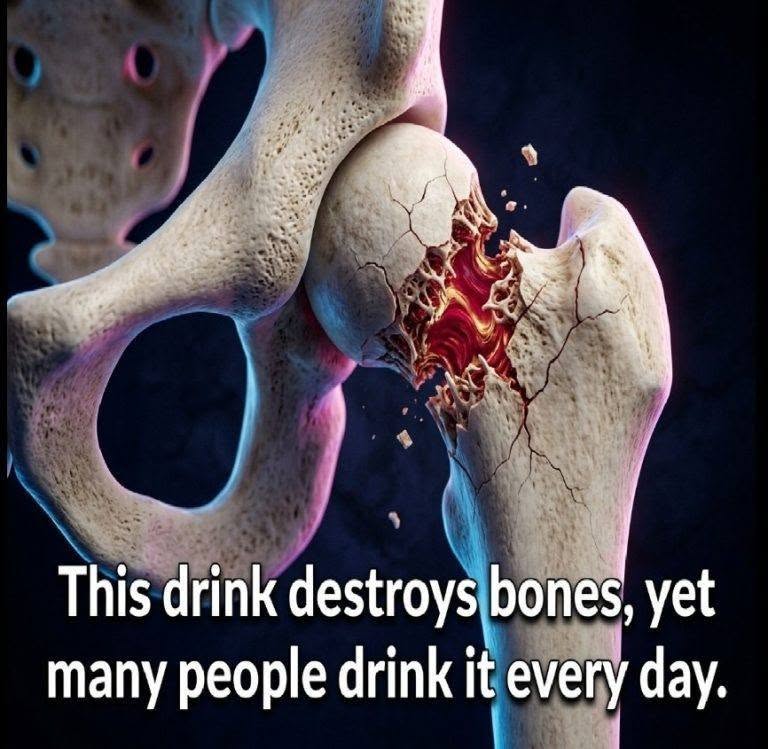
Health experts generally emphasize that no single drink will “destroy” your bones on its own. However, regularly consuming certain beverages in large amounts—especially when they replace healthier choices—may increase risks associated with reduced bone strength.
Here are five types of drinks that may be harmful to bone health when consumed excessively.
1. Sugary Soft Drinks
Sugar-sweetened sodas are among the drinks most often discussed in relation to bone health concerns. These beverages typically contain high amounts of added sugar and provide little nutritional value.
Drinking large quantities of soda may affect bones indirectly because people who consume many soft drinks may replace calcium-rich beverages such as milk or fortified alternatives. High sugar intake can also contribute to weight gain and metabolic problems, which may affect overall health.
Some researchers have also investigated the role of certain ingredients found in soft drinks, such as phosphoric acid in cola beverages, although the relationship between soda consumption and bone health is complex and influenced by overall diet.
Healthier alternatives:
- Water
- Sparkling water without added sugar
- Milk or calcium-fortified plant-based beverages
- Unsweetened herbal teas
2. Excessive Alcohol
Heavy alcohol consumption can negatively affect many parts of the body, including bones. Drinking too much alcohol over time may interfere with the body’s ability to absorb and use important nutrients involved in bone maintenance, such as calcium and vitamin D.
Excessive alcohol intake may also affect hormone levels and increase the risk of falls, which can lead to fractures.
Moderation is important. For people who drink alcohol, staying within recommended limits and discussing personal risks with a healthcare professional can help protect long-term health.
3. Energy Drinks
Energy drinks often contain high levels of caffeine and added sugar. While moderate caffeine intake is generally considered safe for most people, very high caffeine consumption may become a concern if it reduces calcium absorption or replaces nutritious drinks in the diet.
Energy drinks can also contribute to poor sleep, and insufficient sleep may affect overall health, including habits that support strong bones.
Better options for energy:
- Adequate sleep
- Regular physical activity
- Balanced meals
- Water for hydration
4. Excessive Caffeinated Beverages
Coffee and tea can be part of a healthy diet for many people. However, consuming very large amounts of caffeinated drinks may be a concern, particularly if calcium intake is low.
Some studies suggest that high caffeine intake may slightly affect calcium balance. The impact is usually small and can often be offset by getting enough calcium through food.
If you drink a lot of coffee or other caffeinated beverages, consider balancing your intake with calcium-rich foods such as:
- Yogurt
- Cheese
- Milk
- Fortified plant-based drinks
- Leafy green vegetables
5. Highly Sweetened Fruit Drinks
Fruit drinks, flavored juices, and sweetened beverages may appear healthy but can contain large amounts of added sugar while providing fewer benefits than whole fruits.
Frequent consumption of sugary drinks may contribute to weight gain and poor dietary patterns that can affect bone health over time.
Choosing whole fruits provides fiber and important nutrients that are often missing from processed drinks.
Drinks That Support Bone Health
To help maintain strong bones, consider choosing beverages that provide hydration and important nutrients:
- Milk: A source of calcium and often vitamin D.
- Fortified plant-based drinks: Many contain added calcium and vitamin D.
- Water: Essential for overall health and hydration.
- Unsweetened tea: A lower-sugar option for many people.
Other Factors That Matter for Bone Strength
Drinks are only one part of bone health. Strong bones also depend on:
- Adequate calcium and vitamin D intake
- Weight-bearing exercise
- Healthy muscle strength
- Avoiding smoking
- Maintaining a balanced diet
- Regular health checkups when needed
Final Thoughts
Certain beverages—especially those high in added sugar, excessive alcohol, or consumed in place of nutrient-rich options—may negatively affect bone health when consumed regularly and in large amounts. The best approach is not necessarily to avoid every occasional treat, but to build daily habits that support strong bones.
Choosing water and nutrient-rich drinks more often, while maintaining a balanced diet and active lifestyle, can help protect bone health throughout life.
This article is for general information only and does not replace advice from a qualified healthcare professional.