It looks like you want a detailed article based on the headline. Here is a complete version:
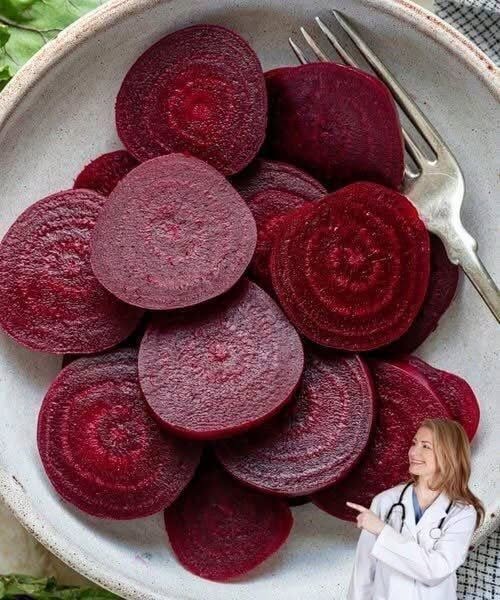
Doctors Reveal That Eating Beets Causes… See the Details
Beets, also known as beetroot, are a colorful root vegetable that has gained attention for their potential health benefits. Rich in nutrients, antioxidants, and natural plant compounds, beets are often included in healthy diets. Doctors and nutrition experts recognize that eating beets may cause several noticeable effects in the body, ranging from improved circulation to changes in digestion and urine color.
While beets can be a healthy addition to most diets, their effects can vary from person to person. Here are some of the changes that may happen when you eat beets regularly.
1. Improved Blood Flow and Heart Health
One of the most researched benefits of beets is their effect on circulation. Beets contain naturally occurring nitrates, which the body can convert into nitric oxide. Nitric oxide helps relax and widen blood vessels, allowing blood to flow more easily.
Better circulation may support cardiovascular health and may help maintain healthy blood pressure levels in some people.
2. Increased Exercise Performance
Many athletes and active individuals consume beetroot because its natural nitrates may improve the body’s use of oxygen during physical activity.
Some studies suggest that beet juice may help increase endurance, reduce the feeling of fatigue during exercise, and support performance during certain types of workouts.
3. Better Digestion
Beets are a good source of dietary fiber, which supports healthy digestion. Fiber helps add bulk to stool and can encourage regular bowel movements.
Eating fiber-rich foods like beets may help support gut health when combined with a balanced diet and adequate water intake.
4. A Temporary Change in Urine or Stool Color
One of the most common effects after eating beets is a reddish or pink color in urine or stool. This condition is known as beeturia.
Beeturia is usually harmless and occurs because some people do not fully break down the natural pigments in beets. However, if you notice blood-like changes without recently eating beets, it is important to seek medical advice.
5. Support for Brain Health
Because beets may improve blood circulation, researchers have explored their possible role in supporting brain function. Improved blood flow may help deliver oxygen and nutrients to the brain.
Although more research is needed, a diet rich in vegetables—including beets—has generally been associated with better overall health.
6. More Antioxidant Protection
Beets contain antioxidants, including betalains, which give them their deep red color. Antioxidants help protect cells from oxidative stress caused by unstable molecules called free radicals.
A diet rich in antioxidant-containing foods may support the body’s natural defense systems.
7. Possible Blood Sugar Benefits
Despite their naturally sweet taste, beets contain fiber and nutrients that can help slow digestion. This may reduce rapid spikes in blood sugar compared with eating highly processed sugary foods.
People with diabetes can often include beets in a balanced meal plan, but portion sizes and overall carbohydrate intake should be considered.
8. Possible Kidney Stone Concerns for Some People
Beets contain oxalates, natural compounds found in many plant foods. People who are prone to certain types of kidney stones may need to monitor high-oxalate foods and discuss dietary choices with a healthcare professional.
For most healthy individuals, eating normal portions of beets is not a problem.
Who Should Be Careful With Beets?
Although beets are nutritious, some people may need to be mindful of their intake, including:
- People with a history of certain kidney stones
- Individuals with specific medical conditions affecting mineral balance
- Those taking medications that affect blood pressure, who should discuss major dietary changes with a healthcare provider
Best Ways to Eat Beets
Beets can be enjoyed in many ways:
- Roasted with herbs and spices
- Added to salads
- Blended into smoothies
- Cooked into soups
- Consumed as beet juice
Eating whole beets provides fiber, while beet juice provides concentrated nutrients but may contain less fiber.
Final Thoughts
Doctors and nutrition experts often highlight beets as a nutrient-rich vegetable that may support heart health, circulation, digestion, and exercise performance. Eating beets can cause noticeable effects, such as changes in urine color, but these are usually harmless.
As with any food, balance is important. Including beets as part of a varied diet can help provide valuable nutrients while supporting overall wellness.
This article is for general information and does not replace medical advice from a qualified healthcare professional.