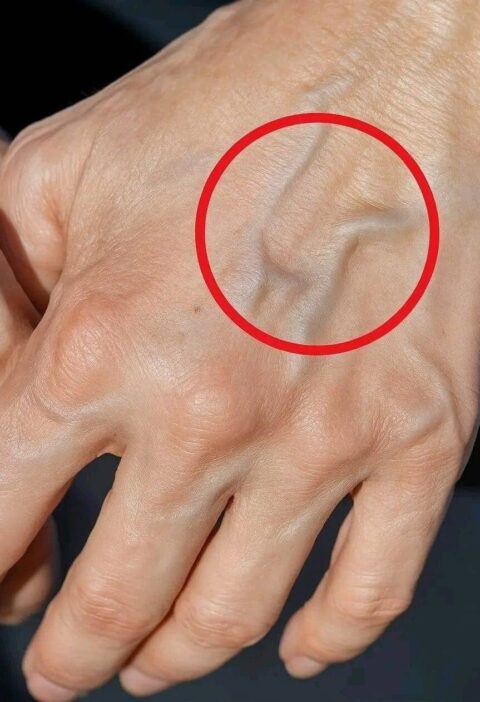
The headline “Healthy Kidneys Often Show Through the Skin: 3 Signs You Should Know” is misleading. You generally cannot determine how healthy your kidneys are just by looking at your skin. Kidney function is assessed with blood tests, urine tests, blood pressure measurements, and sometimes imaging.
That said, kidney disease can sometimes cause skin changes, especially when it is advanced.
Three skin changes that may be associated with kidney disease include:
- Persistent itching
- Chronic kidney disease can cause widespread itching, particularly in more advanced stages.
- Itching has many other causes, including eczema, allergies, and dry skin.
- Dry, flaky skin
- Kidney disease can contribute to dry skin, but this is also common due to aging, low humidity, and other skin conditions.
- Swelling (especially around the eyes, ankles, or feet)
- Reduced kidney function can lead to fluid retention, causing puffiness or swelling.
- Swelling can also result from heart disease, liver disease, certain medications, or venous problems.
Other symptoms of kidney disease
Possible signs include:
- Fatigue
- Changes in urination (frequency, amount, or appearance)
- Blood or protein in the urine (often detected on testing)
- High blood pressure
- Loss of appetite or nausea
- Muscle cramps
How to check kidney health
The most reliable ways are:
- A blood test measuring creatinine to estimate kidney function (eGFR).
- A urine test to check for protein (albumin) or blood.
- Blood pressure measurement, since high blood pressure both causes and results from kidney disease.
If you have diabetes, high blood pressure, a family history of kidney disease, or persistent symptoms such as swelling or changes in urination, it’s a good idea to discuss kidney screening with your healthcare professional.
Bottom line: Skin changes alone cannot confirm that your kidneys are healthy or unhealthy. They can sometimes be a clue, but proper medical testing is needed to assess kidney function.