8 Habits You Should Stop This Year If You Are Taking Amlodipine — And Why
Amlodipine is a calcium channel blocker commonly used to treat high blood pressure (hypertension) and certain types of chest pain (angina). It works by relaxing blood vessels, helping blood flow more easily and reducing the workload on the heart.
If you take amlodipine, certain habits may interfere with your blood pressure control or increase the chance of side effects.
1. Stop skipping doses
Why: Amlodipine works best when taken consistently. Missing doses can allow blood pressure to rise again.
Helpful habit:
- Take it at the same time each day.
- Use a reminder or pill organizer if needed.
2. Stop eating too much salty food
Why: High sodium intake can raise blood pressure and make it harder to control.
Limit foods such as:
- Processed meats
- Salty snacks
- Fast foods
- Instant soups and noodles
- Highly salted packaged foods
3. Stop drinking excessive alcohol
Why: Alcohol can add to the blood-pressure-lowering effect of amlodipine and may increase dizziness or lightheadedness.
4. Stop ignoring ankle or foot swelling
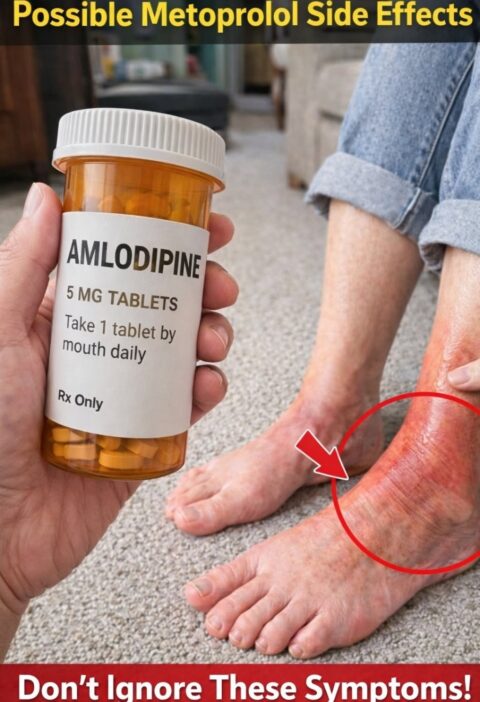
Why: Swelling in the ankles or lower legs (edema) is a known side effect of amlodipine. Mild swelling is common, but new or worsening swelling should be discussed with a healthcare professional.
5. Stop starting supplements or medicines without checking
Why: Some medications and supplements may affect blood pressure or interact with your treatment.
Ask a healthcare professional before adding:
- Herbal remedies
- New supplements
- Over-the-counter medicines
6. Stop being inactive
Why: Medication helps control blood pressure, but regular physical activity supports heart and blood vessel health.
Examples:
- Walking
- Cycling
- Swimming
- Strength exercises appropriate for your fitness level
7. Stop smoking or using tobacco
Why: Tobacco damages blood vessels and increases the risk of heart attack and stroke, even if your blood pressure is controlled.
8. Stop ignoring regular blood pressure checks
Why: High blood pressure often has no symptoms. Monitoring helps show whether your treatment is working.
Keep track of:
- Blood pressure readings
- Side effects
- Any changes in your health
Important reminders
- Do not stop amlodipine suddenly without medical advice.
- Seek medical help for severe dizziness, fainting, chest pain, severe shortness of breath, or signs of an allergic reaction.
- Your ideal blood pressure target depends on your age, health history, and other conditions.
Amlodipine works best when combined with healthy lifestyle habits and regular medical follow-up.