How to Keep Geraniums Full of Flowers: Watering Tips for Healthy, Thriving Plants
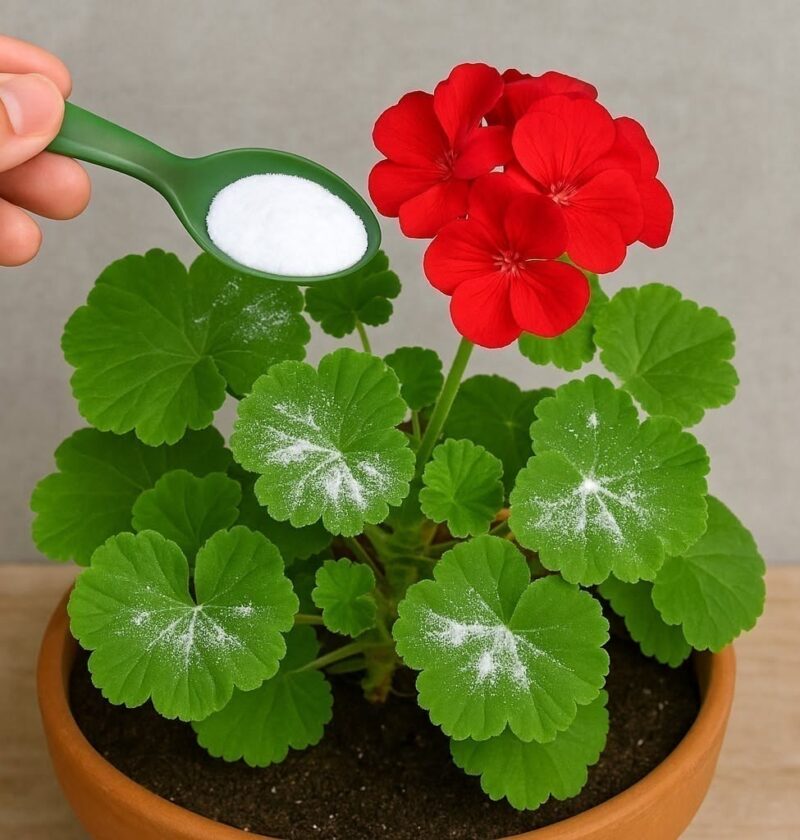
Geraniums (often called pelargoniums) can produce abundant blooms when they receive the right balance of water, sunlight, nutrients, and care. Proper watering is one of the biggest factors in keeping them healthy.
How to Water Geraniums Correctly
1. Let the soil dry slightly between waterings
Geraniums do not like constantly wet roots. Allow the top layer of soil (about 2–3 cm or 1 inch) to dry before watering again.
Too much water can cause:
- Yellow leaves
- Root rot
- Weak growth
- Fewer flowers
Too little water can cause:
- Wilting leaves
- Drooping stems
- Dry, crispy edges
2. Water deeply, not just a little
When watering:
- Pour water slowly until it drains from the bottom of the pot.
- Empty excess water from saucers or trays.
- Avoid frequent small sips that only wet the surface.
3. Water at the base of the plant
Try to keep water off:
- Leaves
- Flowers
- Stems
Wet foliage can encourage fungal problems, especially in humid conditions.
4. Adjust watering with the seasons
- Hot summer weather: Geraniums may need more frequent watering.
- Cooler months: Reduce watering because the plant uses less water.
5. Give them plenty of sunlight
Geraniums usually bloom best with several hours of direct sunlight each day. Insufficient light often leads to fewer flowers and more leafy growth.
6. Feed for more blooms
During the growing season, a balanced flowering fertilizer can support continuous blooming. Follow the product instructions and avoid overfertilizing, which can encourage leaves instead of flowers.
7. Remove old flowers
Regularly pinch off faded blooms (deadheading) to encourage the plant to produce new flowers.
Extra tip
A pot with good drainage holes and well-draining soil is just as important as the watering schedule. Healthy roots are the foundation of a flower-filled geranium. 🌺