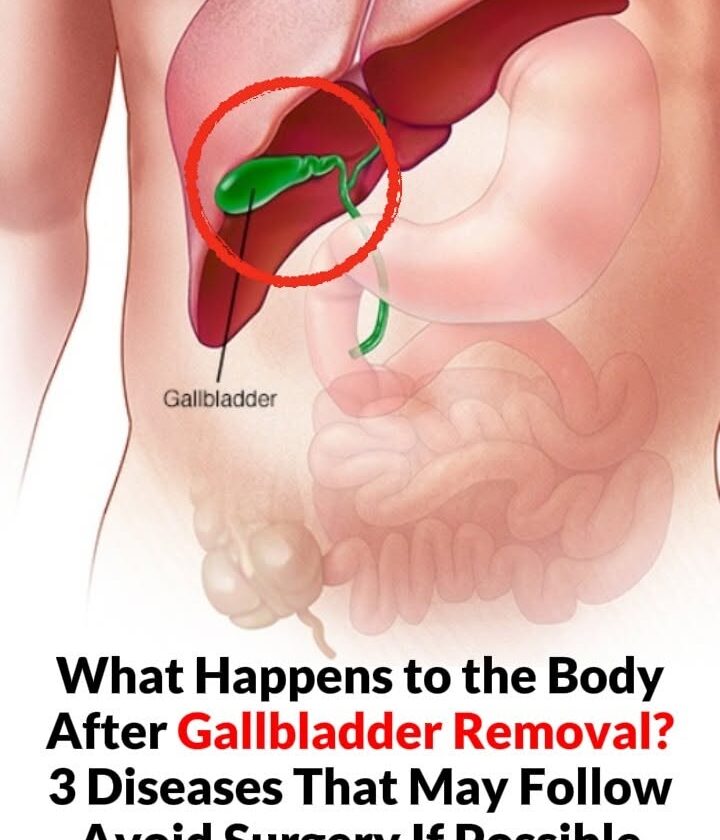
Gallbladder removal surgery (cholecystectomy) is one of the most common abdominal operations, and many people live normally afterward. However, removing the gallbladder does change how bile is stored and released, and some people experience digestive changes or complications.
The claim that you should “avoid surgery if possible” is too broad. Gallbladder removal is often recommended when gallstones or gallbladder disease cause repeated pain, infection, inflammation, or serious risks. Avoiding necessary surgery can sometimes lead to complications. The decision depends on the individual situation.
What changes after gallbladder removal?
The gallbladder’s main job is to store and concentrate bile made by the liver. After removal:
- Bile flows directly from the liver into the small intestine.
- The body can still digest food, but bile is released more continuously rather than in larger bursts after meals.
- Some people notice changes, especially with fatty foods.
3 possible problems that may occur after gallbladder removal
1. Diarrhea and digestive changes
Some people develop:
- Loose stools
- Urgency after eating
- Bloating or gas
- Difficulty tolerating very fatty meals
This may happen because bile reaches the intestine more continuously and can affect bowel movements. It is often manageable with diet changes and, in some cases, medication.
2. Bile acid–related digestive problems
A small number of people develop bile acid diarrhea, where excess bile acids irritate the colon. Treatments may include dietary adjustments or medicines that bind bile acids.
3. Bile duct problems (uncommon but important)
Possible complications include:
- Retained or new bile duct stones
- Bile duct injury (usually related to surgery)
- Narrowing of bile ducts
Warning signs include:
- Yellowing of the skin or eyes
- Fever
- Severe abdominal pain
- Dark urine
- Persistent vomiting
Does gallbladder removal increase the risk of other diseases?
Research has explored possible associations with conditions such as metabolic changes, digestive disorders, and some liver or intestinal issues, but these relationships are complex and do not mean the surgery directly causes these diseases in most people.
When is surgery usually considered?
Doctors commonly recommend gallbladder removal for:
- Recurrent painful gallstone attacks
- Gallbladder infection (cholecystitis)
- Pancreatitis caused by gallstones
- Certain gallbladder polyps or other concerning findings