Understanding Why Kidney Health Matters
Your kidneys are two vital organs that help filter waste products, regulate fluid balance, control electrolytes, support red blood cell production, and help maintain healthy blood pressure. Because the kidneys can compensate for damage for a long time, early kidney problems may not always cause obvious symptoms.
It’s important to note that many of the signs below can have causes unrelated to kidney disease. Experiencing one or more of these symptoms does not mean you have kidney disease. However, persistent or unexplained symptoms deserve medical attention.
One of the most common kidney-related conditions is Chronic Kidney Disease.
1. Unusual Fatigue
When kidney function declines, waste products can build up in the bloodstream. This may contribute to:
- Low energy
- Feeling tired more often
- Reduced stamina
2. Difficulty Concentrating
Some people with kidney disorders report:
- Brain fog
- Poor focus
- Trouble concentrating
These symptoms can have many causes and are not specific to kidney disease.
3. Changes in Urination Frequency
You may notice:
- Urinating more often
- Urinating less often
- Changes in nighttime urination
4. Foamy or Frothy Urine
Persistent foam in urine may sometimes indicate excess protein in the urine, which can be associated with kidney problems.
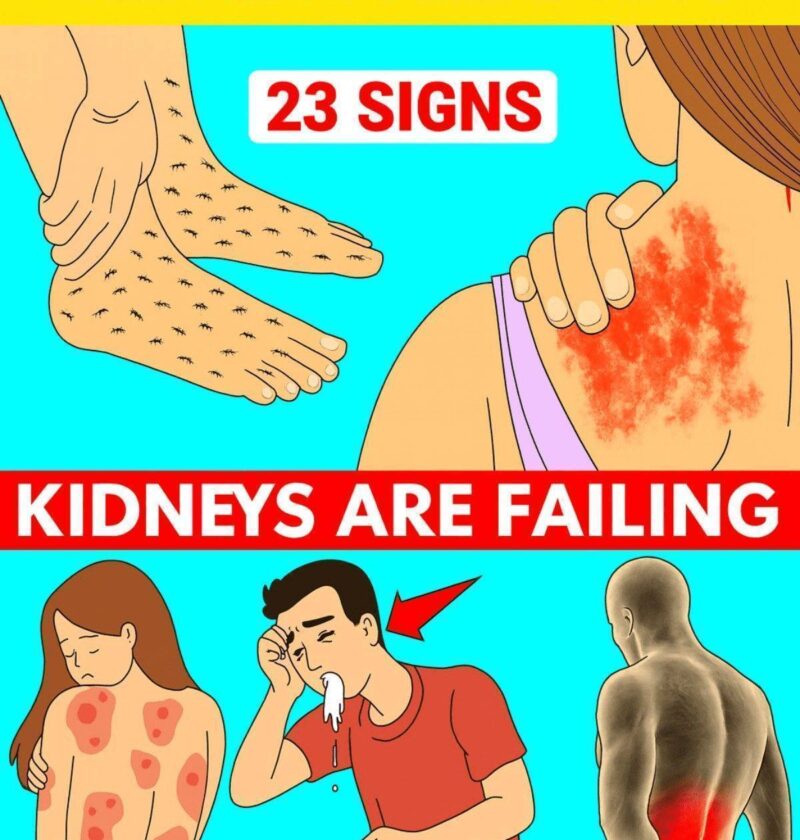
5. Swelling in the Feet and Ankles
The kidneys help regulate fluid balance. Reduced kidney function may contribute to:
- Ankle swelling
- Foot swelling
- Puffiness in the lower legs
6. Puffiness Around the Eyes
Fluid retention may occasionally appear around the eyes, especially in the morning.
7. Dry and Itchy Skin
Kidney disease can affect mineral balance and skin health, leading to:
- Persistent dryness
- Itching
- Skin irritation
8. Muscle Cramps
Electrolyte imbalances sometimes associated with kidney disorders may contribute to:
- Leg cramps
- Muscle spasms
- Nighttime cramping
9. Loss of Appetite
Some individuals experience:
- Reduced interest in food
- Early fullness
- Unexplained decrease in appetite
10. Nausea
Waste buildup in the bloodstream may contribute to nausea in advanced kidney disease.
11. Vomiting
Persistent nausea may occasionally progress to vomiting in severe cases.
12. Metallic Taste in the Mouth
Some people report:
- Altered taste perception
- Metallic taste sensations
- Reduced enjoyment of food
13. Bad Breath
Waste accumulation can sometimes affect breath odor.
14. Trouble Sleeping
Kidney disease may be associated with:
- Restless sleep
- Frequent awakenings
- Sleep disturbances
15. High Blood Pressure
The kidneys and blood pressure are closely connected. High blood pressure can be both a cause and a consequence of kidney disease.
One related condition is Hypertension.
16. Shortness of Breath
Fluid retention and anemia associated with kidney disease may contribute to breathing difficulties.
17. Persistent Weakness
General weakness may occur due to:
- Anemia
- Electrolyte changes
- Reduced kidney function
18. Difficulty Recovering After Exercise
Some individuals notice slower recovery or increased exhaustion.
19. Changes in Urine Color
Urine may appear:
- Darker than usual
- Cloudy
- Occasionally pink or red
Blood in urine should always be medically evaluated.
20. Frequent Nighttime Urination
Waking up repeatedly to urinate can sometimes occur with kidney-related conditions, although many other causes exist.
21. Swelling of Hands or Fingers
Fluid retention may affect the upper extremities in some cases.
22. Persistent Back or Side Pain
Pain near the kidneys may sometimes occur with:
- Kidney stones
- Infections
- Other urinary tract conditions
One example is Kidney Stones.
23. Unexplained Weight Changes
Both weight gain (from fluid retention) and weight loss (from poor appetite) can occur in some kidney disorders.
Risk Factors for Kidney Disease
You may be at higher risk if you have:
- Type 2 Diabetes
- Hypertension
- Family history of kidney disease
- Heart disease
- Obesity
- Smoking history
When to Seek Medical Attention
Contact a healthcare professional if you experience:
- Blood in the urine
- Persistent swelling
- Significant changes in urination
- Ongoing fatigue without explanation
- Severe back or flank pain
- Uncontrolled high blood pressure
Early evaluation can help identify problems before significant kidney damage occurs.
How to Support Kidney Health
Healthy habits include:
- Staying hydrated
- Managing blood pressure
- Controlling blood sugar if diabetic
- Exercising regularly
- Avoiding smoking
- Maintaining a balanced diet
- Taking medications only as directed
Final Thoughts
Many kidney conditions develop gradually, and symptoms can be subtle or easily mistaken for other issues. Signs such as fatigue, swelling, changes in urination, or persistent itching may warrant further evaluation, especially in individuals with risk factors.
The best way to assess kidney health is through appropriate medical testing rather than symptoms alone.
Sources
- National Kidney Foundation
- National Institute of Diabetes and Digestive and Kidney Diseases
- Mayo Clinic
- Centers for Disease Control and Prevention
Part 2: Quick Kidney Health Checklist
Possible Warning Signs
- Fatigue
- Swelling in feet or ankles
- Foamy urine
- Frequent urination
- Dry, itchy skin
- Muscle cramps
- Appetite loss
- Nausea
- High blood pressure
- Changes in urine appearance
Daily Kidney-Friendly Habits
- Drink adequate water.
- Monitor blood pressure.
- Stay physically active.
- Limit excessive salt intake.
- Control blood sugar if needed.
- Attend regular health checkups.
Important Reminder
Many kidney diseases cause few symptoms in their early stages. Blood tests, urine tests, and medical evaluations are the most reliable ways to assess kidney function.