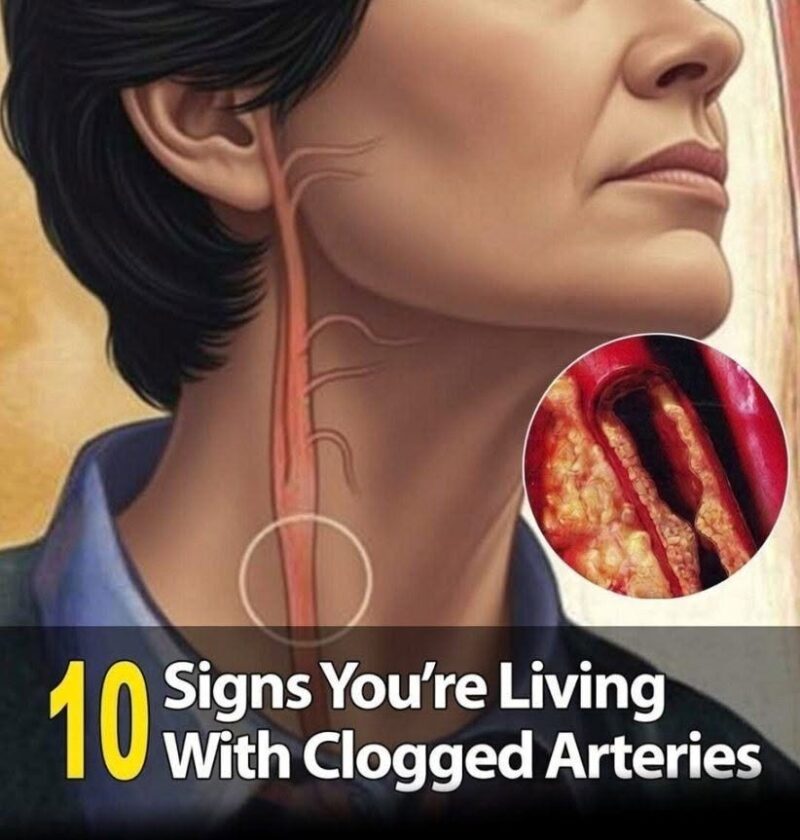
10 Indicators of Blocked Arteries You Shouldn’t Ignore
Blocked arteries, often caused by atherosclerosis (the buildup of fatty plaques inside blood vessels), can reduce blood flow to the heart, brain, legs, and other organs. In many cases, artery narrowing develops slowly and may not cause symptoms until the blockage becomes significant.
Recognising warning signs early can help you seek medical advice and reduce the risk of serious complications such as heart attack or stroke.
1. Chest Pain or Pressure (Angina)
One of the most recognised signs of reduced blood flow to the heart is chest discomfort.
It may feel like:
- Pressure or squeezing
- Tightness
- Burning
- Heavy weight on the chest
It may spread to the:
- Left arm
- Neck
- Jaw
- Back
- Shoulders
Sudden or severe chest pain requires urgent medical attention.
2. Shortness of Breath
When arteries supplying the heart become narrowed, the heart may struggle to pump efficiently.
You may notice:
- Breathlessness during activity
- Difficulty breathing when lying down
- Getting tired more easily than before
3. Leg Pain When Walking
Blocked arteries in the legs can cause a condition called peripheral artery disease (PAD).
A common sign is:
- Cramping, aching, or pain in the calves, thighs, or hips while walking
- Relief after resting
This happens because muscles are not receiving enough oxygen-rich blood during activity.
4. Cold Feet or Hands
Poor circulation may cause extremities to feel:
- Colder than usual
- Numb
- Tingling
Persistent changes should be evaluated, especially if they affect only one side.
5. Slow-Healing Wounds
Reduced blood flow can make it harder for the body to repair injuries.
Warning signs include:
- Cuts that heal slowly
- Foot sores that do not improve
- Repeated infections
This is especially important for people with diabetes.
6. Dizziness or Light-Headedness
Reduced blood flow to the brain or heart problems may sometimes contribute to:
- Feeling faint
- Dizziness
- Weakness
Sudden dizziness with speech problems, facial drooping, or weakness may indicate a stroke and needs emergency care.
7. Heart Palpitations or Irregular Heartbeat
Some people with cardiovascular problems notice:
- A racing heartbeat
- Fluttering sensations
- Skipped beats
While palpitations have many causes, persistent symptoms should be checked.
8. Unusual Fatigue
Extreme tiredness, especially with activity, can sometimes be a sign that the heart is not receiving enough oxygen-rich blood.
Pay attention if fatigue is:
- New
- Persistent
- Combined with chest discomfort or breathlessness
9. Erectile Dysfunction in Men
In some men, erectile dysfunction can be an early sign of blood vessel problems because the small arteries involved may become affected before larger arteries.
It is worth discussing with a healthcare professional.
10. Stroke Warning Signs
Blocked arteries supplying the brain can lead to a stroke.
Remember FAST:
- F – Face: One side of the face droops
- A – Arms: Weakness or numbness in one arm
- S – Speech: Slurred or confused speech
- T – Time: Seek emergency help immediately
Risk Factors That Increase the Chance of Blocked Arteries
Risk increases with:
- High blood pressure
- High cholesterol
- Smoking
- Diabetes
- Lack of physical activity
- Excess weight
- Family history of heart disease
- Increasing age
Ways to Protect Your Arteries
✅ Eat a heart-healthy diet
✅ Exercise regularly
✅ Avoid smoking
✅ Control blood pressure and cholesterol
✅ Maintain a healthy weight
✅ Manage diabetes if you have it