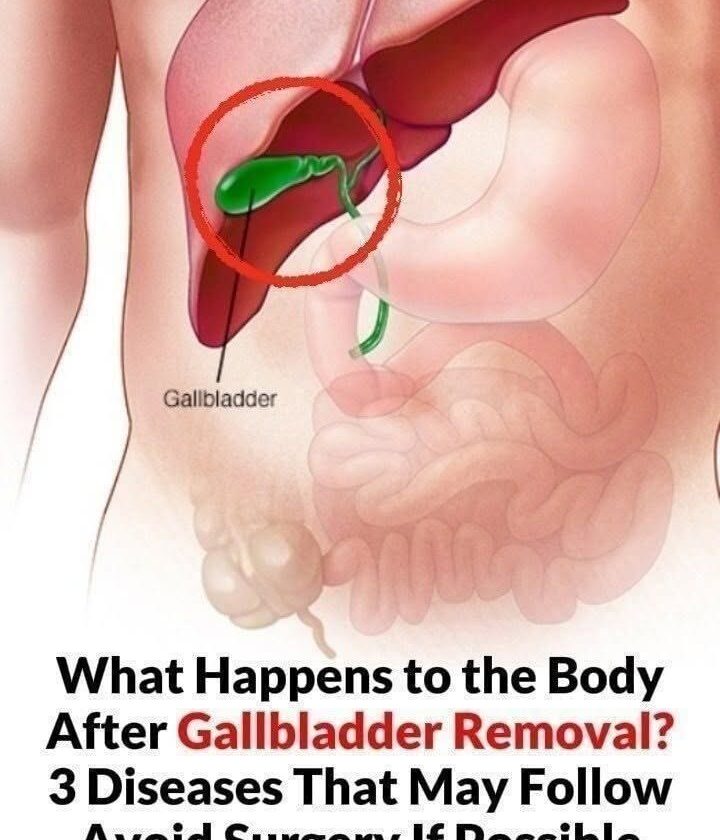
After Gallbladder Removal: Possible Conditions to Know About — and When Surgery Is Needed
Gallbladder removal (cholecystectomy) is a common and generally safe surgery. It is often recommended when gallstones cause repeated pain, inflammation, infection, or complications. However, like any surgery, it can have possible long-term effects for some people.
The idea that you should “avoid gallbladder surgery whenever possible” is not universally correct. For people with serious gallbladder problems, delaying needed surgery can lead to complications. The decision depends on the individual situation.
3 Possible Issues After Gallbladder Removal
1. Changes in digestion
- The gallbladder stores bile and releases it when needed to digest fats.
- After removal, bile flows continuously into the intestine.
- Some people may notice:
- Loose stools or diarrhea
- Bloating
- Gas
- Difficulty tolerating very fatty meals
2. Post-cholecystectomy symptoms
A small number of people continue to have symptoms such as:
- Upper abdominal discomfort
- Indigestion
- Nausea
- Bloating
These symptoms may have other causes too, such as acid reflux, irritable bowel syndrome, or other digestive conditions.
3. Bile-related diarrhea (in some people)
- Extra bile reaching the colon can irritate it and cause frequent, watery stools.
- This can often be managed with diet changes and, when needed, medications prescribed by a clinician.
When gallbladder removal is often recommended
Doctors may advise surgery for problems such as:
- Recurrent painful gallstone attacks
- Gallbladder infection (cholecystitis)
- Blocked bile ducts
- Pancreatitis caused by gallstones
- Certain gallbladder polyps or cancer concerns
Supporting gallbladder health before surgery (when appropriate)
Depending on your condition, a healthcare professional may recommend:
- Maintaining a healthy weight
- Avoiding rapid weight loss
- Eating a balanced diet with adequate fiber
- Limiting very fatty meals if they trigger symptoms
If you have been advised to remove your gallbladder, the key question is why the surgery was recommended. A person with mild, occasional symptoms may have different options than someone with repeated attacks or complications.