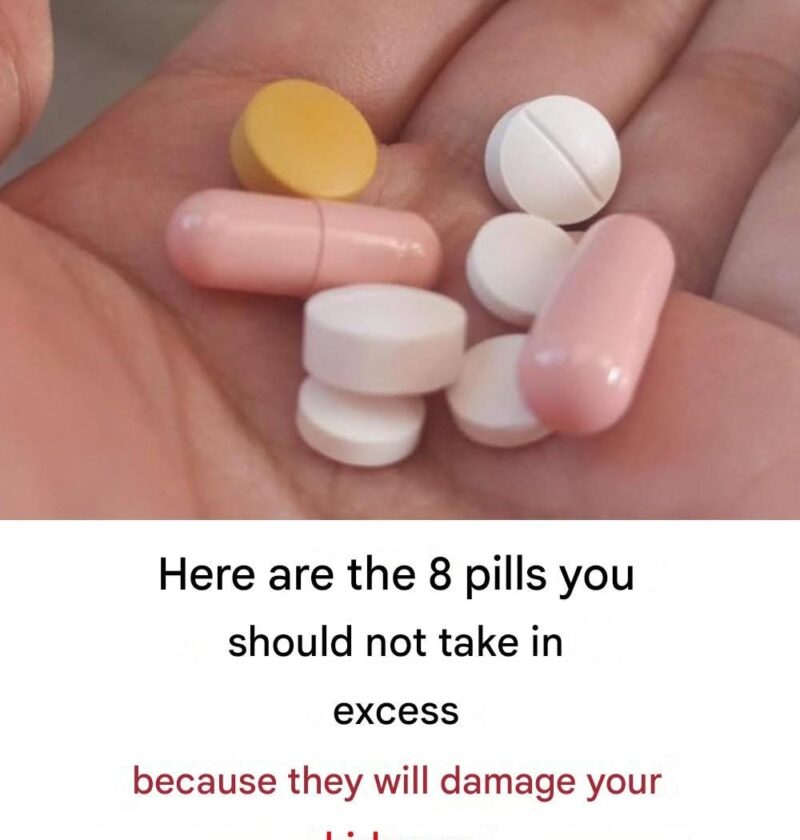
Headlines like “Eight pills you shouldn’t take because they damage your kidneys” are often misleading. Many medications can affect the kidneys, but the risk depends on the drug, the dose, how long it’s taken, and whether a person already has kidney disease or other risk factors. People should not stop prescribed medications without consulting their healthcare provider.
Some medications that are known to have potential kidney-related risks include:
- Ibuprofen – Can reduce blood flow to the kidneys, especially with dehydration, older age, or existing kidney disease.
- Naproxen – Similar kidney risks to ibuprofen, particularly with long-term or high-dose use.
- Diclofenac – Another NSAID that can contribute to kidney injury in susceptible people.
- Celecoxib – May also affect kidney function in some individuals.
- Gentamicin – An antibiotic that can be toxic to the kidneys, which is why kidney function is monitored during treatment.
- Vancomycin – Can increase the risk of kidney injury, particularly at high blood levels or when combined with other kidney-toxic drugs.
- Lithium – Long-term use may affect kidney function, so regular monitoring is recommended.
- Cyclosporine – Can impair kidney function and requires close medical supervision.
A few important points:
- Do not stop a prescribed medication on your own because of a headline. The benefits may outweigh the risks.
- Drink enough fluids unless your clinician has told you to limit them.
- Tell your healthcare provider about all prescription drugs, over-the-counter medicines, and supplements you take.
- If you have chronic kidney disease, diabetes, high blood pressure, or are over 65, ask your healthcare provider or pharmacist before using over-the-counter pain relievers, especially NSAIDs.
If the headline came from a specific article or social media post, share it and I can help determine whether its claims are accurate or exaggerated.