What Is the Normal Blood Pressure for Each Age?
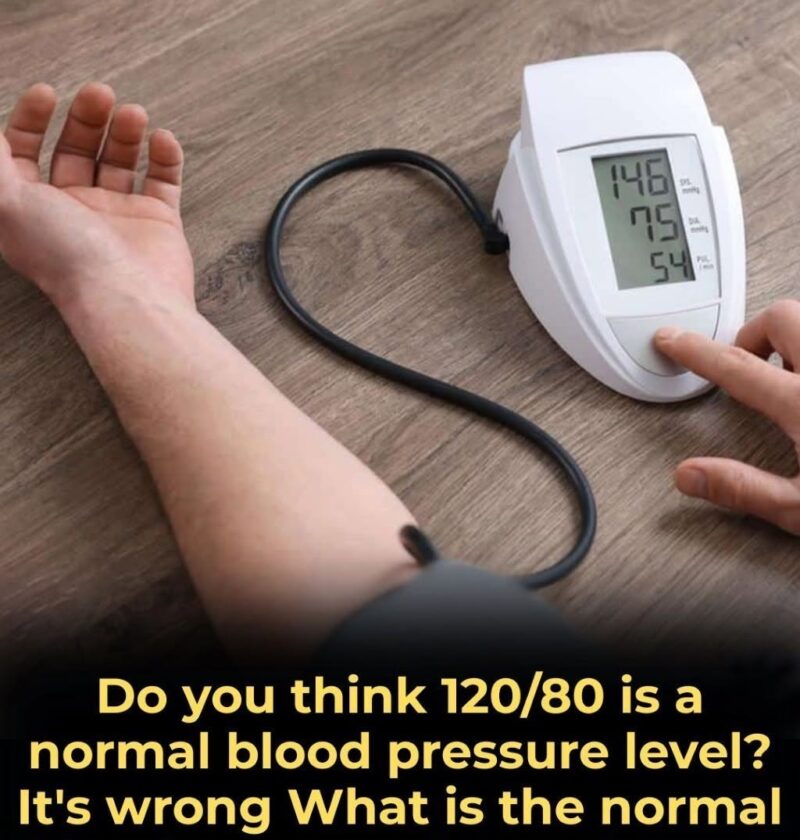
Blood pressure does not have one exact “normal” number for every age. The ideal range depends on your overall health, medical conditions, medications, and personal risk factors. A person’s blood pressure may change throughout life, but consistently high blood pressure is not simply a normal part of ageing.
Blood pressure is written as two numbers:
- Systolic pressure (top number): pressure when the heart beats
- Diastolic pressure (bottom number): pressure when the heart relaxes
Example: 120/80 mmHg
General Blood Pressure Ranges by Age
| Age Group | Common Reference Range |
|---|---|
| Children | Varies by age, sex, and height |
| Teenagers | Often around below 120/80 mmHg |
| Adults (18–39) | About 90/60 to below 120/80 mmHg is commonly considered healthy |
| Adults (40–59) | Many people aim for below 120–130/80 mmHg, depending on health |
| Adults (60+) | Targets are personalised; many guidelines recommend individual goals based on overall health |
| Adults (80+) | Targets are usually tailored based on fitness, medical conditions, and medication tolerance |
Adult Blood Pressure Categories
Normal
- Less than 120/80 mmHg
Elevated
- Systolic 120–129 and diastolic less than 80
High blood pressure (Hypertension)
- Repeated readings of about 130/80 mmHg or higher may indicate hypertension, depending on the guideline used and your health situation.
Low blood pressure
- Often considered below about 90/60 mmHg, especially if it causes symptoms.
Why Blood Pressure Can Change With Age
Blood pressure may rise over time due to:
- Less flexible arteries
- Changes in activity levels
- Weight changes
- Kidney function changes
- Lifestyle factors
- Certain medical conditions
However, an older age alone does not mean high blood pressure should be ignored.
When to Seek Medical Advice
Talk with a healthcare professional if you have:
- Regular readings above your recommended range
- Very low readings with dizziness, fainting, or weakness
- New headaches, chest pain, or shortness of breath
- Sudden weakness, trouble speaking, or facial drooping (possible stroke symptoms)
A single unusual reading does not always indicate a problem. Blood pressure can temporarily rise due to stress, pain, caffeine, exercise, or illness.